
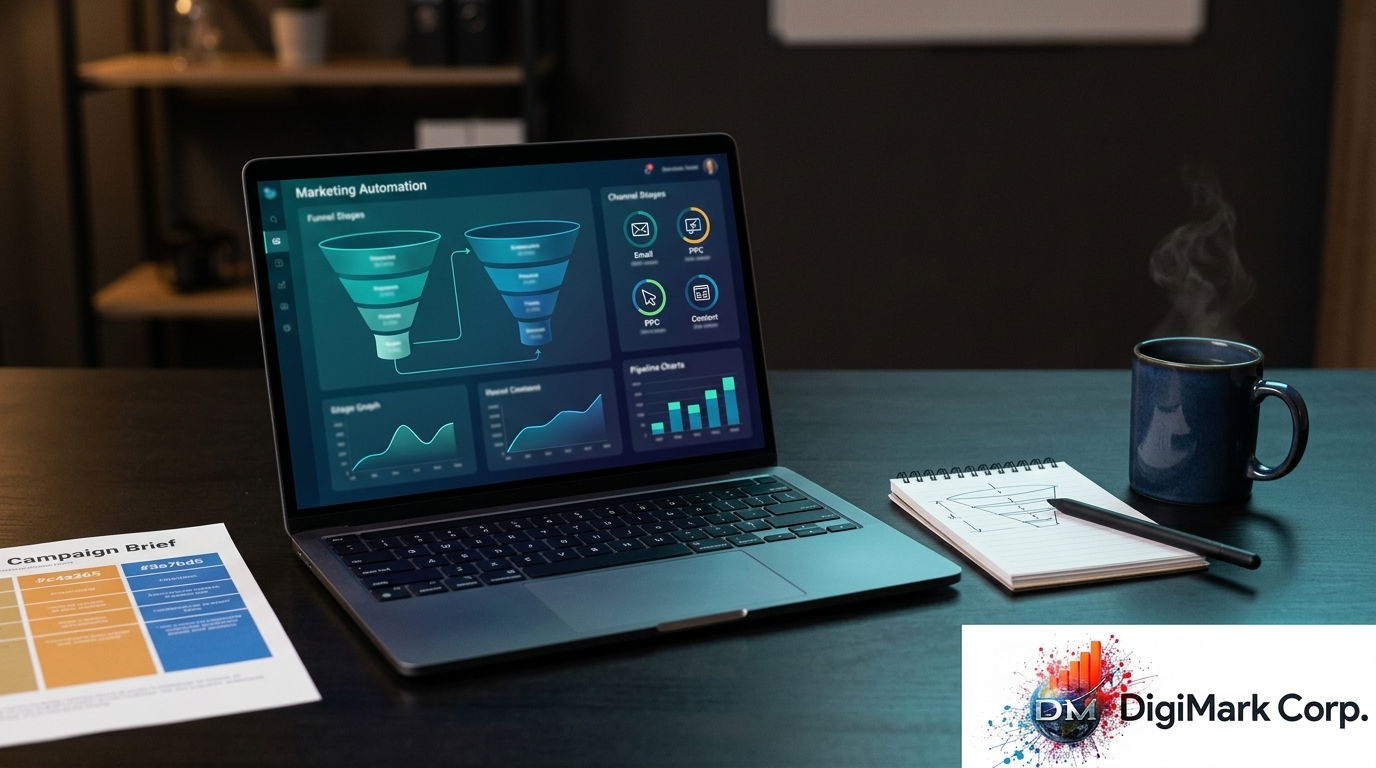
Marketing automation is not just a tool to save time; it’s the engine that keeps your lead generation, nurturing, and conversion working together smoothly across channels. When designed around your business goals, marketing automation turns casual interest into qualified action without wasting budget or missing the right moment. In this post, you’ll learn how a tailored system can make growth more predictable and measurable, so each step in your funnel earns its place and drives real results. For more insights on the benefits of marketing automation, check out this resource.
Redefining Marketing Automation
What Is Marketing Automation?
Marketing automation is a powerful tool that streamlines your marketing efforts by using software to automate repetitive tasks. It acts as a bridge connecting various marketing channels, ensuring they work harmoniously. This integration saves you both time and resources, allowing you to focus on strategic growth. Imagine having a system where your email campaigns, social media posts, and lead nurturing processes all run smoothly. That’s the essence of marketing automation: creating efficiency and consistency in your marketing operations.
Tailored Operating System for Growth
Imagine a system designed specifically around your business goals. Marketing automation does just that. It takes the guesswork out of marketing and makes your growth predictable. By customizing automation to fit your business, every touchpoint in your customer journey is designed to convert interest into action. You get a system that works in unison, much like a well-tuned orchestra, ensuring every note contributes to the overall harmony.
Bridging Sales and Marketing
Often, sales and marketing teams operate in silos. Marketing automation bridges this gap, aligning both departments towards common goals. By providing real-time data and insights, it ensures that your sales team receives high-quality leads ready for conversion. This harmony between sales and marketing not only boosts efficiency but also increases revenue potential. When both teams speak the same language, magic happens.
Impact Across Channels
Email and PPC Follow-Up
Email automation plays a significant role in nurturing leads. With automated email sequences, you can send targeted messages that address the needs of your audience at the right time. Similarly, PPC follow-up enhances this by re-engaging prospects who have shown initial interest. This one-two punch of email and PPC ensures that no lead slips through the cracks, maximizing your chances of conversion.
The Power of Content and Lead Nurturing
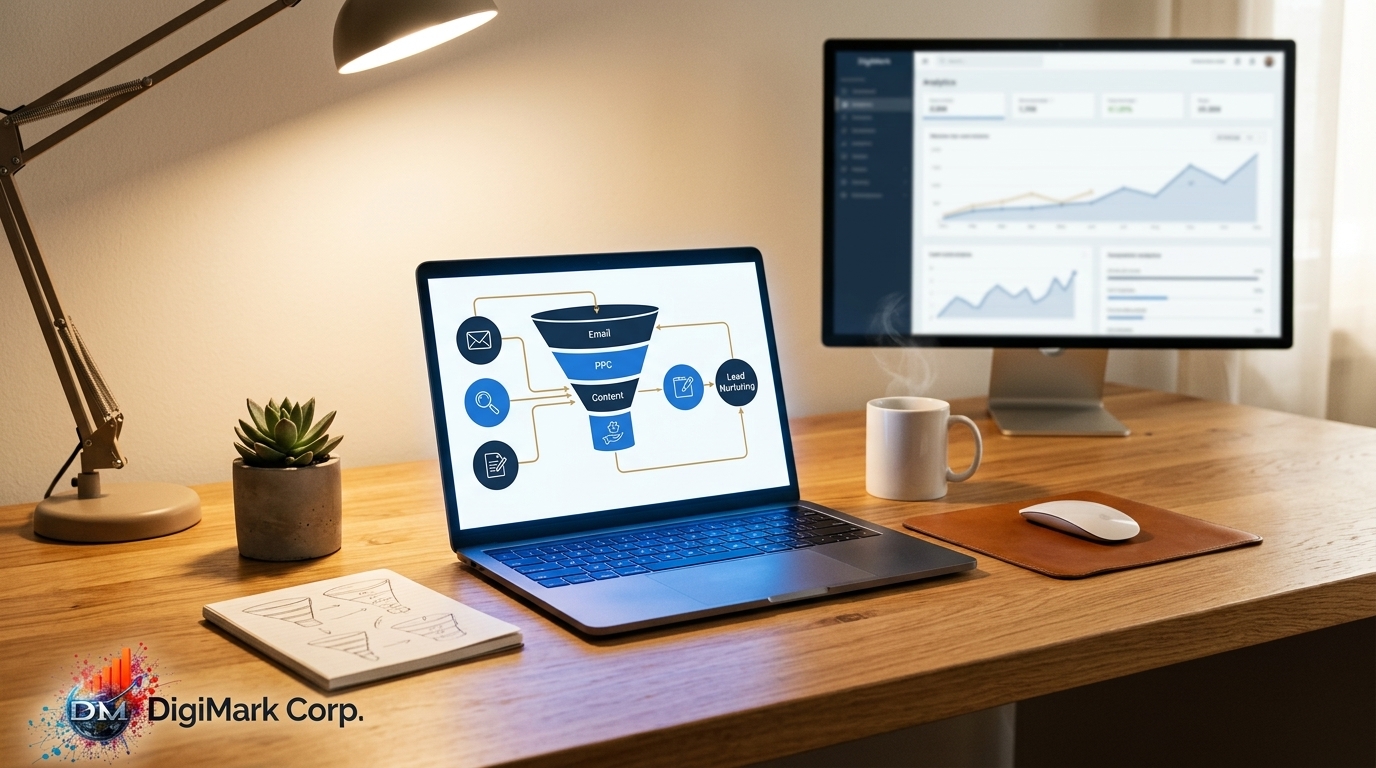
Content is king, but without proper nurturing, it might not reach its full potential. Marketing automation allows you to tailor content to different stages of the buyer’s journey. By doing so, you provide value at every touchpoint, building trust and authority. This nurturing process transforms casual readers into loyal customers, all while maintaining a personalized approach.
Behavioral Triggers and Workflow Automation
Behavioral triggers are actions taken by your audience that signal potential interest. By setting up automation workflows, you can respond to these triggers in real-time. This timely response increases engagement and conversion rates. Whether it’s a visit to a pricing page or a download of a free guide, your automation system is there to guide the prospect toward the next step.
Turning Leads Into Customers
CRM Integration and Lead Scoring
Integrating your marketing automation with a CRM system empowers your sales team with valuable insights. Lead scoring, a feature of many automation platforms, prioritizes leads based on their engagement level, ensuring your team focuses on the most promising prospects. This targeted approach not only saves time but also boosts conversion rates.
Multi-Channel Marketing and Predictable Growth
A multi-channel marketing strategy covers all bases. By reaching your audience through various channels like social media, email, and direct messaging, you increase your chances of engagement. Marketing automation supports this approach by providing consistent and coordinated messaging, leading to more predictable growth.
Data-Driven Strategies for SMBs
For small and medium-sized businesses, data-driven strategies are crucial. Marketing automation provides detailed analytics and insights, helping you make informed decisions. By understanding what works and what doesn’t, you can refine your strategies for better results. This data-centric approach ensures that your marketing efforts are both effective and efficient.
Frequently Asked Questions
What is marketing automation used for?
Marketing automation is used to streamline and automate repetitive marketing tasks like email campaigns, social media posting, and lead nurturing. It helps in managing marketing processes across multiple channels and enhances the efficiency of your marketing efforts.
How does marketing automation improve lead generation?
Marketing automation improves lead generation by automating lead nurturing processes and providing personalized content to prospects at different stages of their journey. This targeted approach increases engagement and conversion rates.
Can small businesses benefit from marketing automation?
Absolutely! Small businesses can greatly benefit from marketing automation as it saves time and resources, allowing them to focus on strategic growth. It provides valuable insights and analytics, helping small businesses make data-driven decisions.
What is the role of CRM in marketing automation?
CRM integration in marketing automation helps in managing and analyzing customer interactions. It provides sales teams with valuable insights and prioritizes leads based on engagement, enhancing the efficiency of sales processes.
How do behavioral triggers work in marketing automation?
Behavioral triggers in marketing automation are actions taken by a user that signals interest, such as visiting a webpage or downloading a resource. Automation responds to these triggers with personalized messages, increasing engagement and conversion opportunities.