
Most digital marketing courses treat channels like checklists. That leaves you juggling disconnected tasks without clear results. Our approach shows you how to build one integrated marketing system where web design, PPC, email, SEO, and content work together to drive measurable growth. This digital marketing course reveals how each piece contributes to leads, conversions, and revenue—so you can plan and measure growth with confidence. Learn more about creating a digital marketing strategy that starts with outcomes and connects every channel.
Building a Connected Growth System
Connecting your digital marketing efforts allows you to see significant growth. Let’s explore how each component plays a pivotal role in crafting this cohesive system.
The Role of Web Design
Web design isn’t just about looking good. It’s about creating a user journey that leads to conversions. When your site is easy to navigate, it keeps users engaged. Imagine a site where each click naturally guides visitors toward the next step. That’s the power of thoughtful web design. It’s like having a 24/7 salesperson that never tires.
Consider how a well-organized homepage can direct a visitor to book a consultation or make a purchase. Every element on your site should have a purpose, leading users from interest to action. A clean layout ensures visitors don’t get lost or frustrated, reducing bounce rates and boosting conversion rates. When you invest in user-friendly design, you’re investing in your brand’s growth.
Integrated Marketing System Explained
Picture a symphony, where every instrument plays a part. That’s what an integrated marketing system does for your business. Each channel, from SEO to social media, works together. They don’t operate in silos. This unified approach amplifies your message. It ensures every piece of content supports your overall goals.
Instead of managing scattered tactics, you get a cohesive plan. When SEO efforts increase your site’s visibility, your PPC campaigns can target new leads. Email marketing nurtures these leads, building trust and driving sales. By connecting each channel, you create a powerful growth engine that delivers results.
Marketing KPIs and ROI Measurement
Understanding the impact of your marketing efforts is crucial. KPIs and ROI provide a clear picture. They show what’s working, allowing you to focus on what matters most. Tracking these metrics helps you allocate resources efficiently. You can see the return on investment for each campaign and make data-driven decisions.
Think of KPIs as your dashboard. They guide you, helping you steer your marketing strategy. When you know which campaigns generate the most leads, you can replicate success. This approach increases your chances of achieving long-term growth. By measuring ROI, you ensure every dollar spent contributes to your bottom line.
Fast Wins and Long-Term Gains
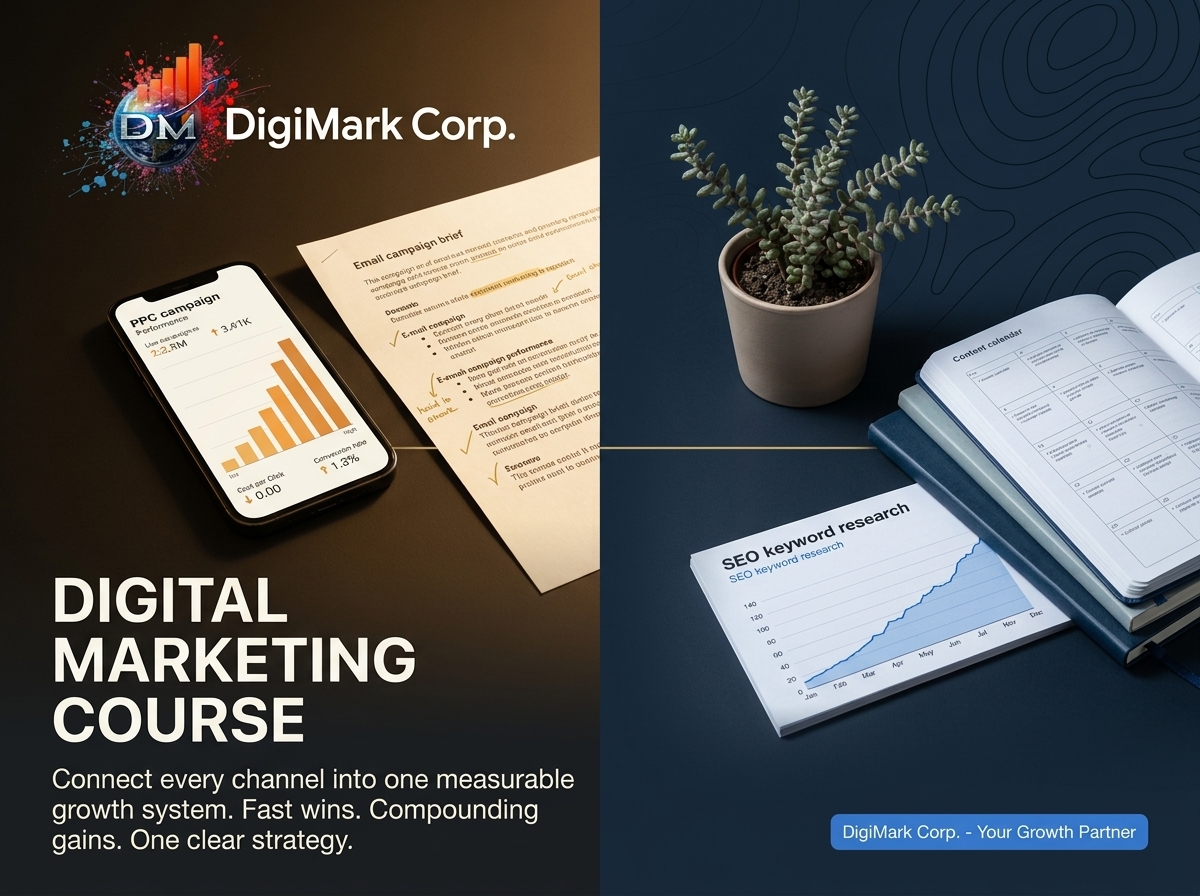
Achieving quick wins and setting up for future success requires smart use of marketing channels. Let’s explore how to get the most out of each strategy.
PPC Quick Wins and Email Automation
PPC offers instant visibility. With targeted ads, you reach potential customers quickly. Imagine launching a campaign today and seeing traffic tomorrow. That’s the speed of PPC. Combine this with email automation for even greater impact. Automated emails nurture leads, turning interested prospects into loyal customers.
Think about a welcome email series that introduces your brand and offers exclusive deals. This approach keeps your business top-of-mind without constant manual effort. Together, PPC and email automation drive immediate results and lay the foundation for long-term relationships.
SEO and Content Strategy for Growth
SEO and content are the backbone of sustainable growth. Unlike PPC, SEO takes time, but the payoff is worth it. Quality content builds authority and trust. When your site ranks high in search results, it attracts organic traffic continuously.
Picture a blog post that answers customer questions. It positions you as an expert, encouraging visitors to explore your offerings. Over time, this content draws in qualified leads who are ready to convert. Investing in SEO and content ensures your business thrives in the long run.
Conversion-Focused Web Design
Your website is more than a digital brochure. It’s a conversion tool. A well-designed site turns visitors into customers. Every page should guide visitors toward a specific action, whether it’s signing up for a newsletter or making a purchase.
Consider how a clear call-to-action button can increase conversions. When users know what to do next, they’re more likely to take action. Conversion-focused design eliminates confusion and enhances the user experience, driving better results for your business.
Planning and Measuring Success

Planning and measuring your marketing efforts are key to success. With a structured approach, you can achieve your business goals.
Lead Generation Framework
A lead generation framework helps you attract and convert prospects. It outlines the steps needed to capture interest and nurture leads. From awareness campaigns to follow-up emails, each step plays a crucial role.
Imagine a seamless process where potential customers easily find your brand and engage with it. By defining a clear path, you increase the likelihood of turning leads into paying customers. This framework ensures your marketing efforts are efficient and effective.
Full-Funnel Marketing Approach
A full-funnel marketing approach considers the entire customer journey. From first contact to final sale, each stage is crucial. By addressing every part of the funnel, you ensure no opportunity is missed.
Think of it as a roadmap guiding prospects to conversion. When you understand your audience’s needs at each stage, you can tailor your messages accordingly. This comprehensive strategy enhances customer experience and boosts your bottom line.
Growth Roadmap and Attribution
Creating a growth roadmap provides direction and focus. It outlines your long-term goals and the steps needed to achieve them. Attribution helps you understand which channels contribute most to your success.
Consider a roadmap as a strategic plan for growth. It identifies priorities and helps allocate resources effectively. With attribution, you see which efforts yield the best results, enabling more informed decisions. This structured approach leads to sustainable growth and increased revenue.
Frequently Asked Questions
What is an integrated marketing system?
An integrated marketing system connects all your marketing channels into one cohesive strategy. Each channel works together to amplify your message and achieve your business goals. This approach ensures consistent communication and maximizes results.
How does web design impact conversions?
Web design impacts conversions by creating a smooth user experience. A user-friendly site guides visitors toward specific actions, like signing up or purchasing. This increases the likelihood of conversions and boosts your bottom line.
What are PPC quick wins?
PPC quick wins are immediate results from targeted ads. They provide instant visibility by reaching potential customers quickly. This approach can drive traffic and generate leads almost immediately, making it a powerful tool for short-term gains.
Why is it important to measure marketing ROI?
Measuring marketing ROI is important because it shows the effectiveness of your campaigns. It helps you understand what’s working and what’s not, allowing you to make data-driven decisions. This ensures your marketing efforts contribute to your business’s success.
How does SEO support long-term growth?
SEO supports long-term growth by improving your site’s visibility in search results. This attracts organic traffic over time, building authority and trust. Quality content and optimized pages ensure sustained growth and increased conversions.