

You’ve spent thousands on SEO, PPC, and web design—yet your leads barely move. That’s because digital marketing strategy fails when each channel works alone, chasing its own goals. After 20 years helping businesses like yours, we know real growth happens when every tactic connects to one clear outcome. Let’s break down how to build a strategy that turns scattered efforts into measurable results. For more insights, check out this guide on digital marketing strategies.
Building an Outcome-Driven Strategy
To achieve real growth, your digital marketing must tie every effort to a clear business result. A scattershot approach often leads to wasted budgets and unsatisfactory outcomes. Let’s explore how aligning goals with business outcomes transforms your strategy.
Align Goals with Business Outcomes
Start by identifying the core goals of your business. What do you want to achieve this year? For example, if increasing sales by 20% is your target, every marketing effort should funnel towards this outcome. Focused alignment ensures that each channel, from SEO strategies to web design, drives your goals forward. This clarity not only simplifies decision-making but also enhances your ROI. Remember, aligning with business outcomes is the foundation of an effective strategy.
Avoiding Isolated Channel Planning
Too often, businesses plan channels in isolation, leading to disjointed efforts. Imagine your SEO team working independently from your PPC team; both might chase different goals, causing a lack of synergy. Instead, integrate your planning. When every channel connects, you create a seamless experience that moves potential customers down the funnel efficiently. Avoiding isolated planning ensures your marketing becomes a cohesive machine, optimizing each channel’s strength to support the broader business goal.
Mapping Channels to the Marketing Funnel
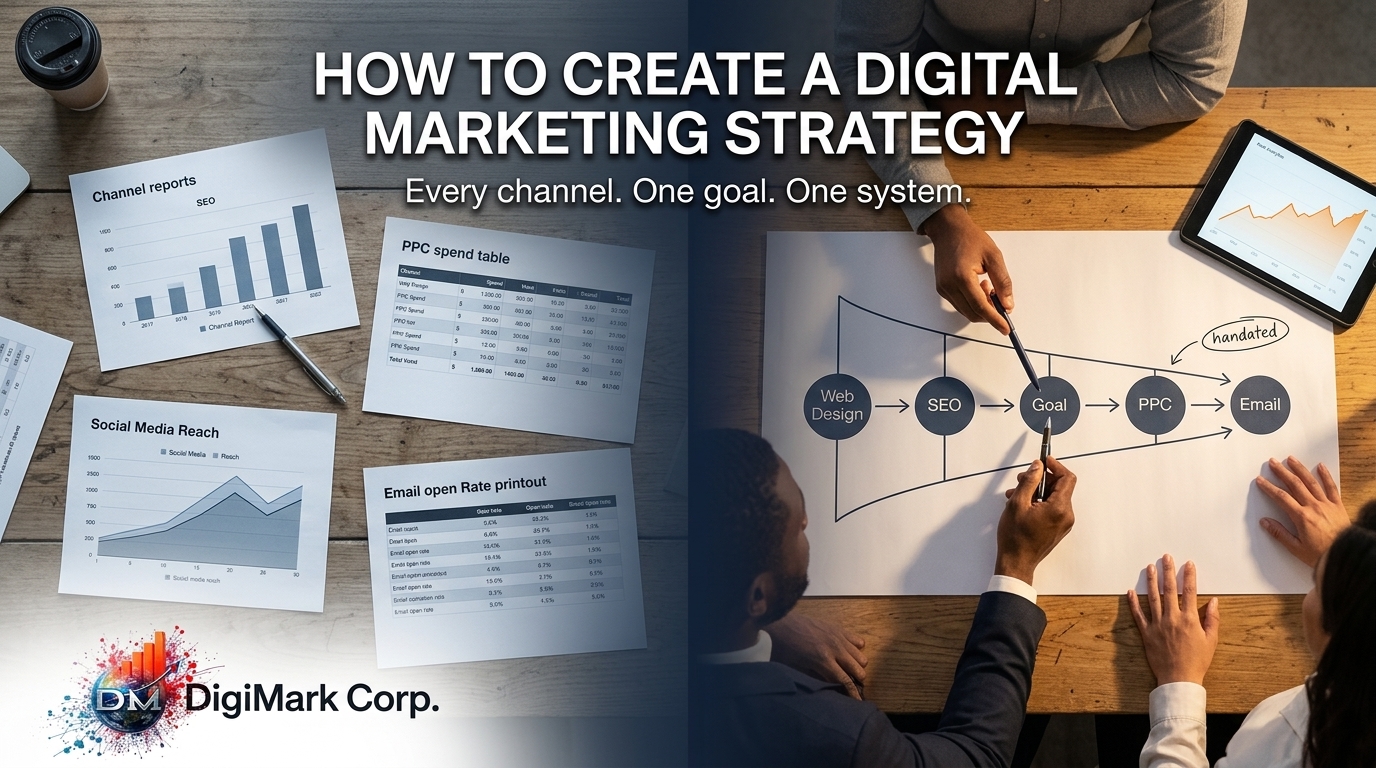
Once goals are aligned, map each channel to your marketing funnel. This structure turns strategies into actionable plans, ensuring every effort serves a specific role in moving prospects closer to conversion.
Assigning Clear Roles to Channels
Each marketing channel should have a clear, defined role. For instance, SEO might focus on attracting new visitors, while email campaigns nurture leads. This role clarity helps prevent overlaps and ensures each channel complements the others. Assign roles based on where your audience is in the funnel. By clearly defining these roles, you streamline your strategy, making it more efficient and effective in driving results.
Creating a Cohesive Channel Mix
A cohesive channel mix ensures all parts of your strategy work together harmoniously. Integrate channels like PPC and content marketing to cover different touchpoints in the customer journey. For example, a potential customer might discover your brand through a blog post, then see a targeted ad that leads to a conversion-focused landing page. Creating this mix involves not only understanding each channel’s role but also how they interact to support the overall strategy. This integrated marketing strategy is crucial for maximizing your marketing impact.
Measuring Success and ROI

Establishing a strategy is just the beginning; measuring its success is key. Focus on tracking and optimizing your strategy to ensure it continually delivers desired outcomes.
Tracking Marketing KPIs
Key Performance Indicators (KPIs) help measure whether your marketing efforts are hitting their targets. Choose KPIs that align with your business goals. If lead generation is your focus, track metrics like conversion rates and lead quality. Regularly reviewing these metrics provides insights into what’s working and what needs adjustment, ensuring you stay on track. Using KPIs effectively means understanding the data and adapting your strategy promptly.
Using Data for Continuous Improvement
Data-driven marketing is the future. By analyzing data, you can continually refine your strategy for better results. Patterns in data reveal areas for improvement, allowing you to make informed decisions. This cycle of measurement and refinement turns marketing into a powerful tool for growth. Embrace data as a guide, not just a report. Use it to hone your marketing funnel strategy and drive measurable success for your business.
Frequently Asked Questions
What is an outcome-driven marketing strategy?
An outcome-driven marketing strategy focuses on aligning all marketing efforts with specific business objectives, ensuring each channel supports overall goals.
How do you align marketing goals with business outcomes?
Identify core business objectives, then tailor each marketing channel to contribute towards these goals, providing a unified direction for all efforts.
Why is it important to map channels to the marketing funnel?
Mapping channels to the funnel ensures each channel has a clear role, optimizing their combined impact and guiding prospects through the customer journey efficiently.
How can businesses measure the success of their digital marketing strategy?
By tracking relevant KPIs and analyzing data, businesses can assess the effectiveness of their marketing efforts and make data-driven adjustments to improve outcomes.
What role does data play in refining a marketing strategy?
Data provides insights into performance, helping businesses identify strengths and areas for improvement, leading to continuous optimization and better results.

