
Most businesses believe posting more on social media drives growth. The truth is, scattered efforts across social, website, and follow-up create leaks that let customers slip away. You might be busy online but still miss leads because these channels aren’t connected. Aligning your marketing channels into one clear path boosts social to website conversion and turns attention into revenue. Let’s break down why a connected marketing system changes everything.
Read more about aligning social media with your business goals.
The Myth of More Posting
Busy but Inconsistent Results
You might think that posting more often will boost your business growth. But the reality is, it can leave you feeling busy without seeing consistent results. It’s like running on a treadmill; you’re moving but not really going anywhere. This happens when efforts on social media are not part of a larger, connected system. The more fragmented your approach, the more you miss out on potential leads. It’s crucial to realize that without cohesion among channels, your efforts might not translate into tangible outcomes.
Hidden Leaks in Customer Journey
Imagine a bucket with holes. That’s what your customer journey looks like when your marketing channels aren’t working together. Social media grabs attention, but a disconnected website or lack of follow-up leaves room for leads to slip away. This disconnect is often where businesses lose momentum. It’s not enough to just capture interest; you need a seamless path that guides potential customers from curiosity to commitment. This ensures that you’re not just visible but also engaging effectively, turning interest into action.
Confidence in a Paired System
Imagine knowing that every piece of content and every interaction is part of a well-oiled machine. That’s the confidence a paired system provides. When your social media, website, and follow-up work in harmony, you gain more control over your customer journey. You create a path that not only attracts but also nurtures and converts. This is what turns sporadic attention into reliable revenue. With this approach, every marketing move is intentional, focused on steering customers toward a purchase or conversion.
The Power of Connected Channels
Building an Integrated Marketing System
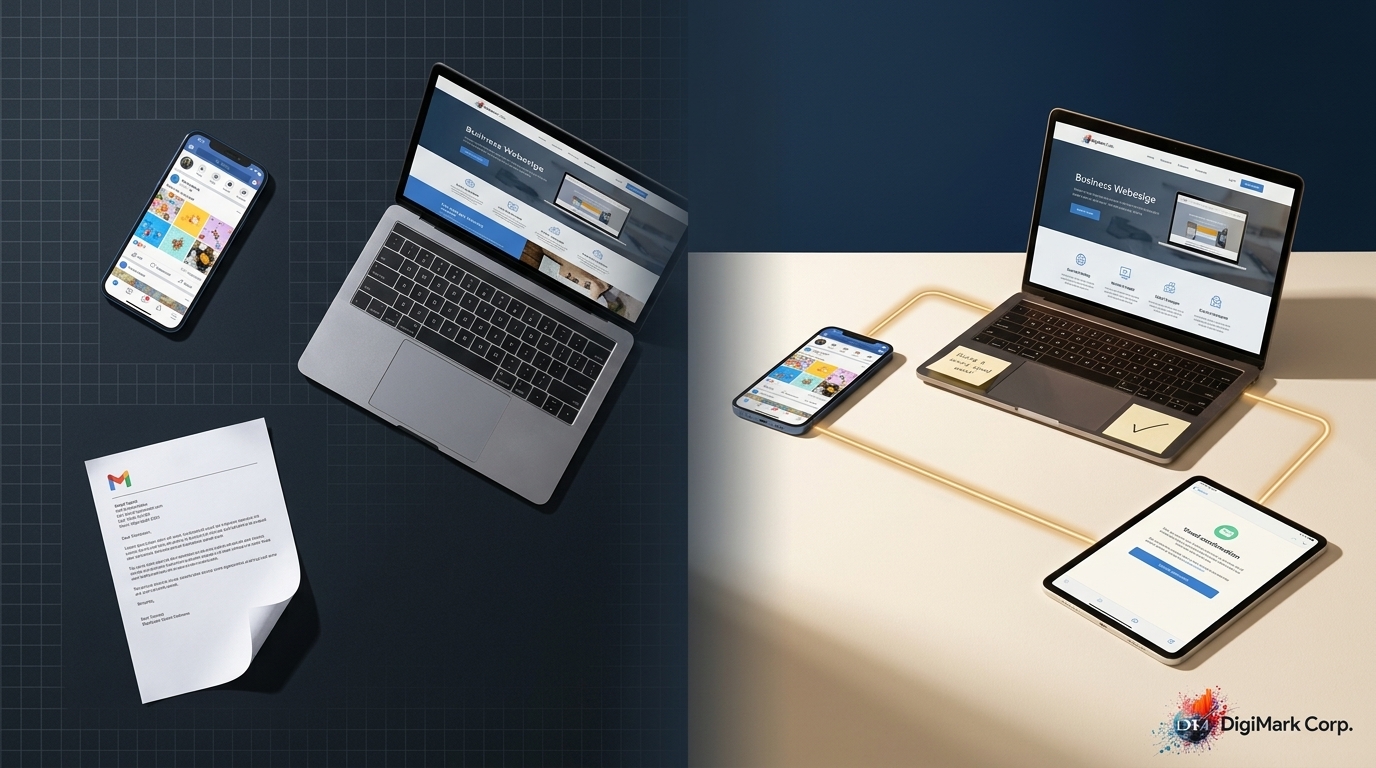
Creating an integrated marketing system is like assembling a team where each player knows their role. Your social media, website, and email campaigns work together, not independently. By doing this, you ensure that every channel supports the other, creating a seamless experience for your audience. It’s about using your resources effectively, ensuring no effort is wasted. This coordination not only saves time but also maximizes impact, making your marketing strategy more powerful and cohesive.
Social to Website Conversion Success
Turning social media engagement into website visits is a critical step. It’s where curiosity becomes interest. To achieve this, your social media posts must lead seamlessly to your site. The content should entice followers to click through for more information. Once they’re on your site, it should deliver on the promises made in your posts. This alignment boosts your chances of conversion, transforming casual viewers into engaged customers who are ready to take action.
Follow-Up Automation for Growth
Once you’ve captured interest, keeping the momentum going is key. This is where follow-up automation shines. Automated emails or messages ensure that no lead is left behind. They help maintain the conversation, gradually guiding potential customers toward making a purchase. By automating this process, you save time while ensuring consistent communication. This not only nurtures leads but also builds relationships, making them more likely to choose your business when they’re ready to buy.
Enhancing Your Digital Strategy
Importance of Marketing Funnel Alignment
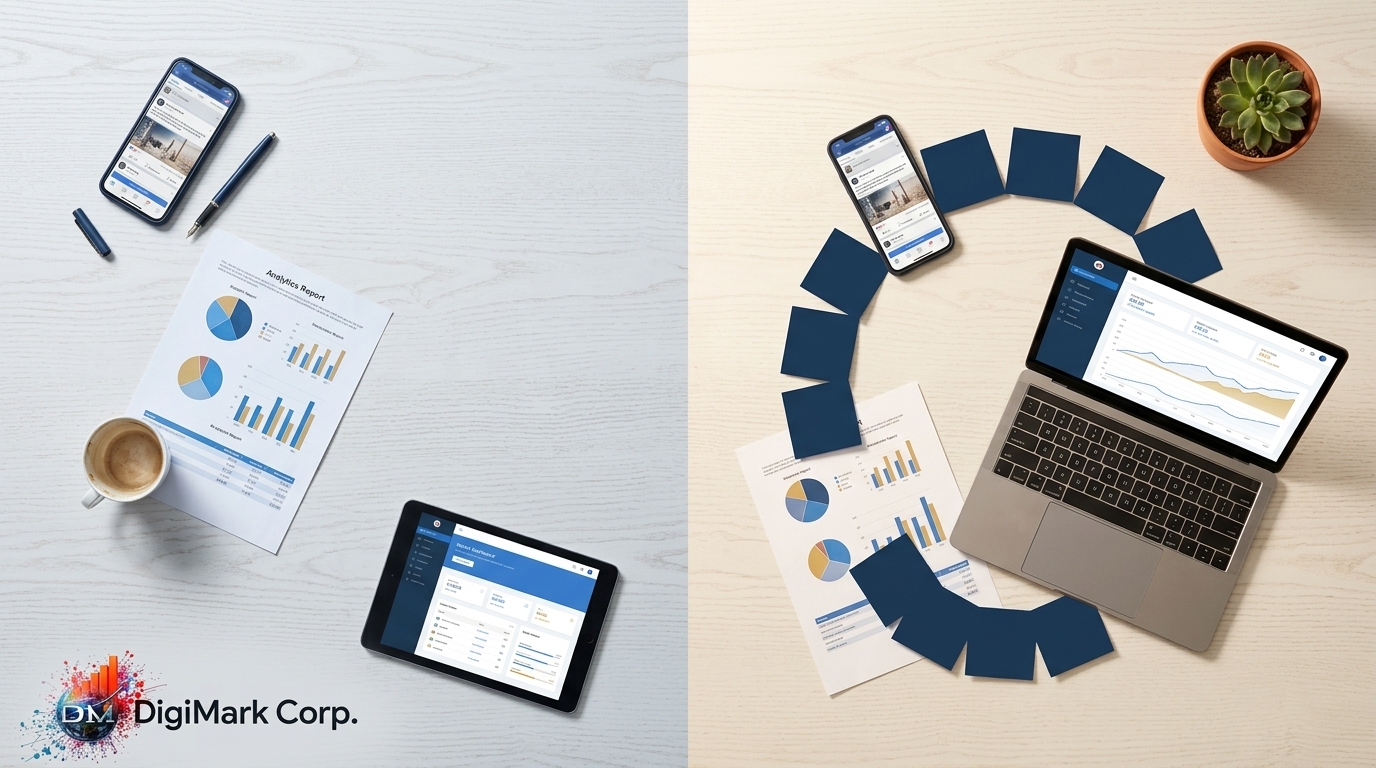
Aligning your marketing funnel is about ensuring each stage naturally leads to the next. It starts with awareness, nurtures interest, and concludes with conversion. When your funnel is aligned, each channel serves a specific purpose, guiding potential customers smoothly from one stage to the next. This alignment is crucial for maximizing conversions. It ensures your marketing efforts aren’t just scattered but are instead driving toward a clear, measurable goal.
The Role of CRM Integration
Integrating a CRM system can significantly enhance your marketing strategy. With CRM, you can track interactions and gather valuable customer insights. This data helps personalize your marketing efforts, making them more effective. You can also automate tasks, freeing up time for more strategic activities. Ultimately, CRM integration ensures that your marketing efforts are data-driven, improving your ability to engage customers and convert leads.
Achieving Small Business Marketing Success
For small businesses, marketing success often hinges on making the most of limited resources. A connected marketing system helps you do just that. By aligning your channels and using data-driven strategies, you can maximize your impact without overextending yourself. This approach ensures that every marketing dollar is well spent, driving measurable results. It empowers small businesses to compete with larger companies by being strategic and efficient in their marketing efforts.
Frequently Asked Questions
How can I align my social media efforts with my business goals?
To align your social media efforts with business goals, start by defining clear objectives. Ensure each post or campaign supports these goals and integrates well with other channels, creating a unified marketing strategy.
What is the benefit of integrating a CRM system?
Integrating a CRM system allows you to track customer interactions and gather insights, personalize marketing efforts, and automate routine tasks. This leads to more effective engagement and higher conversion rates.
Why is follow-up automation important for growth?
Follow-up automation ensures consistent communication with leads, nurturing them toward a purchase. It saves time, maintains engagement, and builds relationships, increasing the likelihood of converting leads into customers.
What is a marketing funnel, and why is alignment crucial?
A marketing funnel guides potential customers from awareness to conversion. Alignment ensures each stage flows into the next, maximizing conversions and making your marketing efforts more efficient and effective.
How can small businesses achieve marketing success?
Small businesses can achieve marketing success by connecting their marketing channels, using data-driven strategies, and aligning efforts to maximize impact. This strategic approach allows them to compete effectively with larger companies.