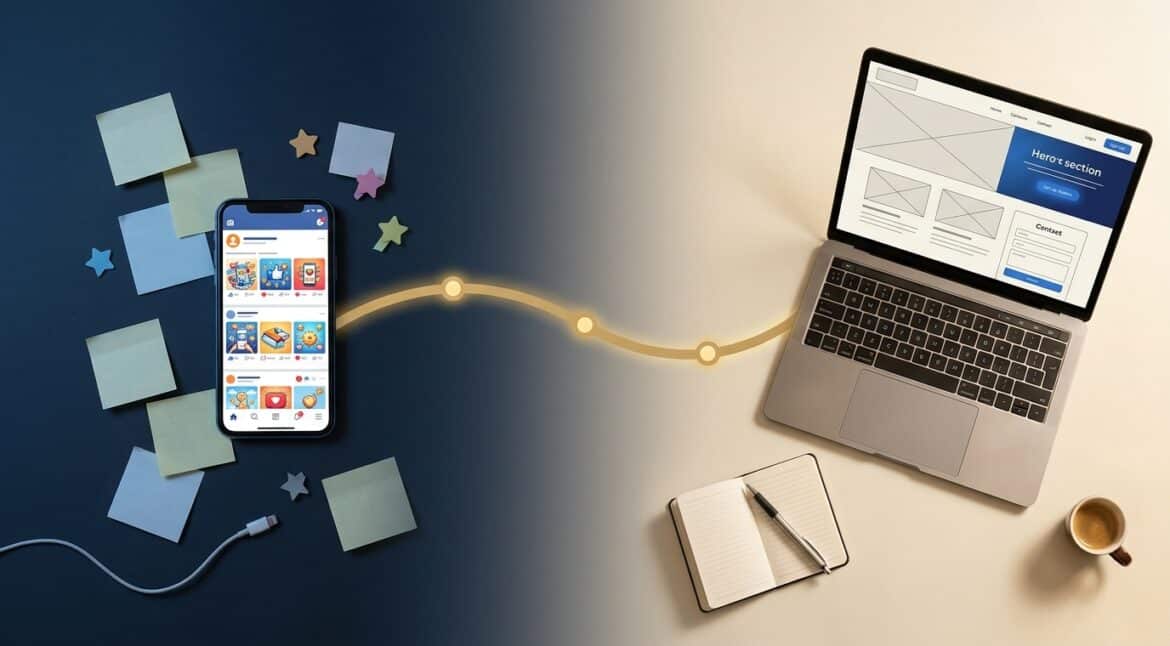
Many businesses pour effort into social media but treat their website like an afterthought. The result? Traffic arrives but leaves without converting. When your website and social media alignment creates a clear conversion path, every click guides visitors closer to buying. In this post, you’ll learn how to stop losing leads between platforms and build a growth system that actually moves the needle.
Bridge Website and Social Media
Every click from social media should lead visitors closer to taking action on your site. But often, these channels are treated as separate efforts, which can dilute their effectiveness.
Common Silo Mistakes
Most businesses make the mistake of treating their website and social media as independent rather than interconnected assets. This leads to inconsistent messaging and a fractured user experience. For instance, a user might see a compelling post on Instagram but land on a website that doesn’t continue the story. This disconnect can result in lost leads and missed opportunities.
Benefits of Alignment
When your website and social media work together, they create a seamless journey for users. This alignment reinforces your brand message, making it easier for visitors to trust and engage with your business. By presenting a unified front, you can guide users smoothly from first interest to final action. Statistics show that businesses with aligned strategies see a 20% increase in conversion rates, demonstrating the value of this comprehensive approach.
Real-Life Success Stories
Consider a small business that once struggled with converting social media traffic. By aligning their website’s design with their social media themes, they created a cohesive brand journey. As a result, they saw a 25% increase in lead generation within a few months. Their experience highlights that consistent branding across platforms can significantly boost engagement and conversions.
Mapping the Conversion Path
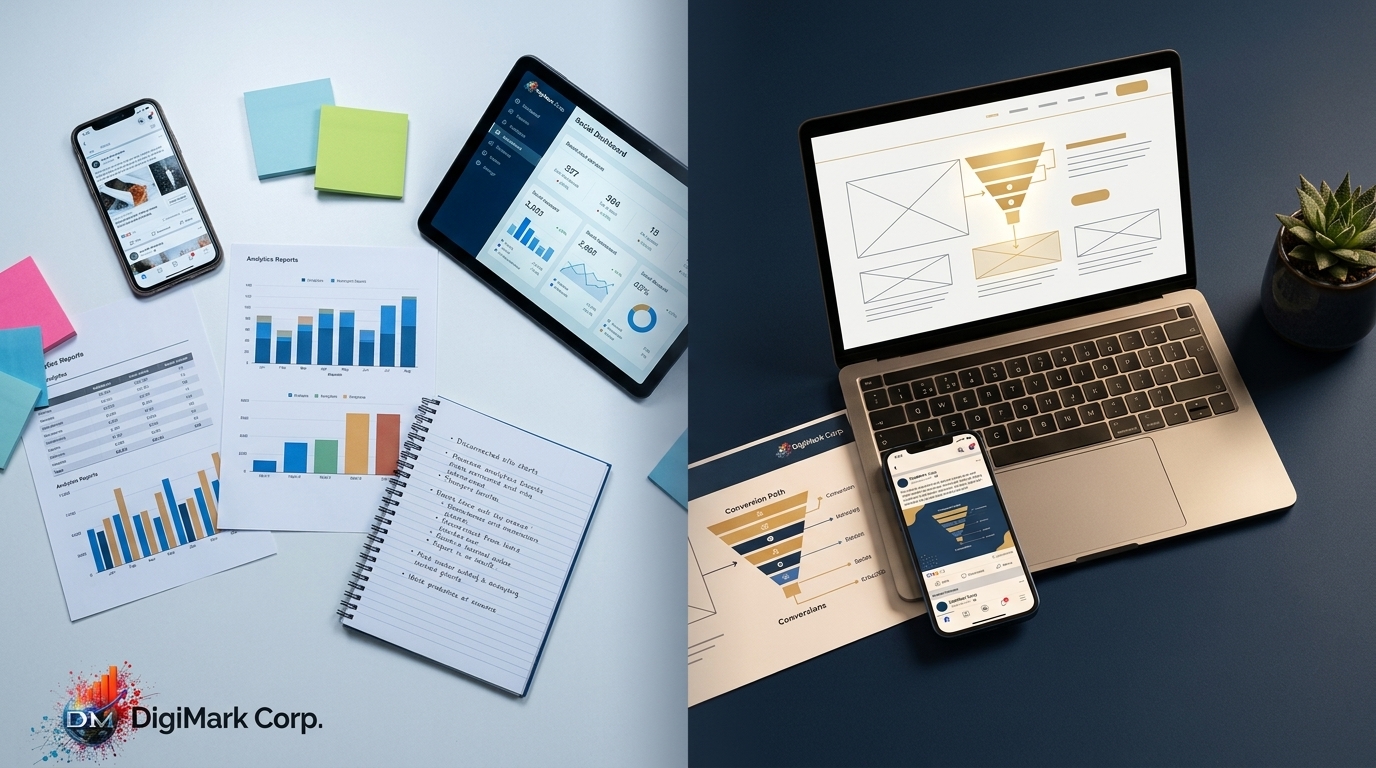
Creating a structured conversion path connects each touchpoint in the buyer journey, leading to more predictable results.
Trust and Intent Hand Off
The hand-off between social media and your website is crucial. When users click from a social platform to your site, they should land on a page that matches their expectations. This continuity helps maintain their trust and keeps them engaged. To achieve this, ensure your website copy and design reflect the promises made on social platforms. This consistency reassures visitors that they’re in the right place and encourages them to explore further.
Essential Touchpoints
Every touchpoint in the buyer journey should serve a specific purpose. From social media posts that capture attention to landing pages that encourage sign-ups, each step should guide the user closer to conversion. For example, using GA4 tracking can help you understand which points are effective and which need improvement. By optimizing each touchpoint, you can facilitate a smoother journey and increase your chances of capturing leads.
Role of Web Design for Conversion
A well-designed website is essential for driving conversions. Your site should not only be visually appealing but also intuitive to navigate. This means clear calls-to-action, streamlined forms, and mobile-friendly design. The goal is to make the user’s journey as straightforward as possible. A conversion-first approach to web design can make all the difference in turning visitors into customers.
Tools for Data-Driven Growth
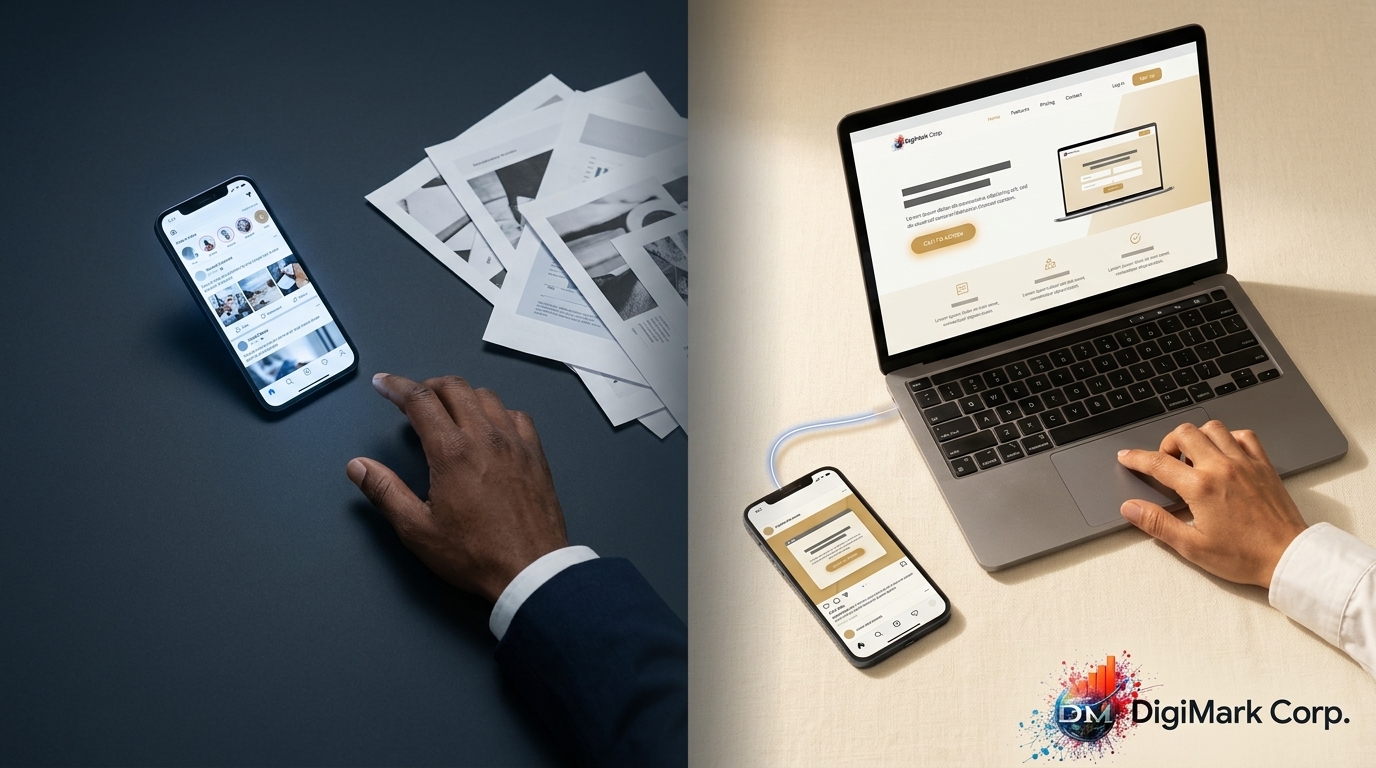
Utilizing the right tools can provide insights that drive strategic improvements.
Performance Dashboard and GA4 Tracking
Performance dashboards give you real-time insights into how your website and social media are performing. By tracking key metrics with GA4, you can pinpoint what’s working and where to make adjustments. This data-driven strategy allows you to fine-tune your approach and make informed decisions that enhance your marketing efforts.
Retargeting and Marketing Funnel Optimization
Retargeting is a powerful tool for re-engaging visitors who have shown interest but haven’t converted. By using targeted ads, you can remind them of what they liked and bring them back to your site. In addition, optimizing your marketing funnel ensures that each stage is effective in moving leads down the path to purchase. Together, these strategies keep potential customers within your orbit and increase your chances of conversion.
30-Day Improvement Guarantee
For businesses seeking quick results, a 30-day improvement guarantee can be a game-changer. By focusing on high-impact changes, such as refining landing pages or enhancing social media integration, you can see measurable improvements in a short timeframe. This approach not only boosts confidence but also demonstrates the potential of a well-executed strategy.
Frequently Asked Questions
How can I align my website and social media?
Start by ensuring consistent branding across both platforms. Use similar visuals and messaging to create a seamless user experience from one channel to the next.
Why is it important to integrate social media with my website?
Integration ensures a smooth transition for users moving from social media to your site, reinforcing your brand and improving conversion rates.
What tools can help track performance across platforms?
Using performance dashboards and GA4 tracking can provide valuable insights into user behavior and help you optimize your strategy for better results.
What is retargeting, and how does it work?
Retargeting involves displaying ads to users who have previously interacted with your site, encouraging them to return and complete a conversion.
How quickly can I see results from aligning my website and social media?
With the right strategy, you can start seeing improvements in conversion rates within 30 days, especially if you focus on high-impact areas like landing page optimization and social media integration.