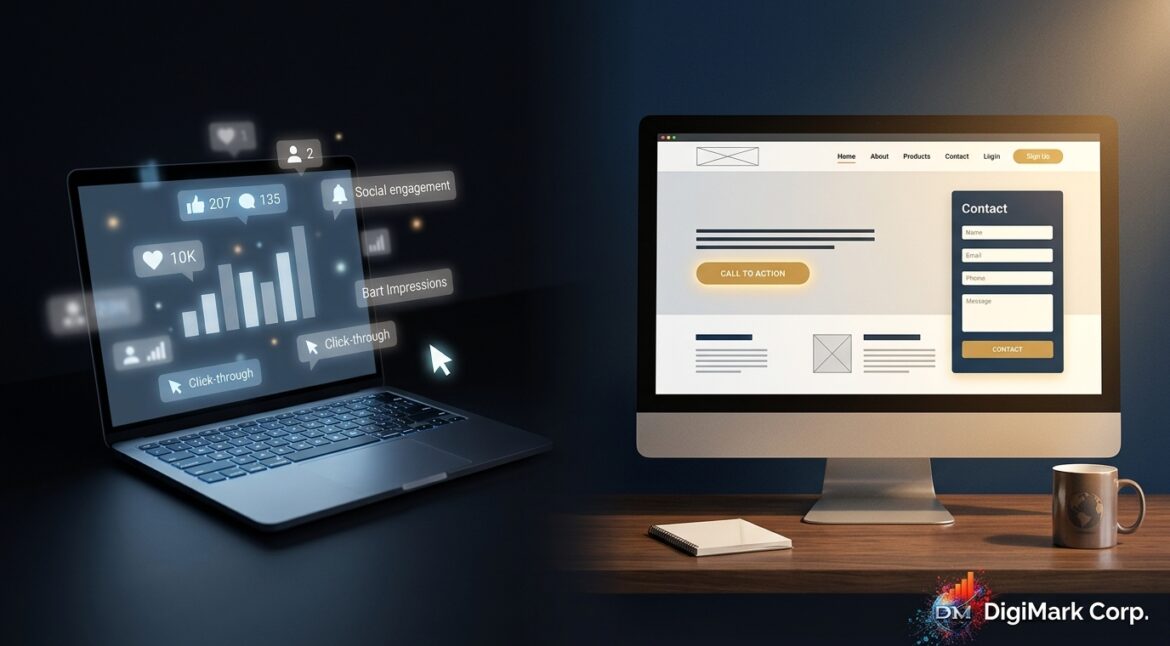
Clicks and likes are easy to get, but turning that attention into actual business remains a challenge for many. You might be seeing traffic from social, PPC, or SEO campaigns, yet qualified leads are still missing. The truth is, your website’s role goes beyond a digital brochure—it must act as a conversion engine. In this post, we’ll explain why conversion-focused web design is the missing piece that makes digital marketing ROI real. For more insights, check out this resource.
Digital Marketing’s Real Goal
Visibility is often celebrated in digital marketing. But what happens after your audience clicks? A website built for conversion readiness turns those clicks into leads and sales.
Beyond Visibility: Conversion Readiness
Getting noticed is just the start. What’s crucial is whether your website can convert visits into meaningful actions. Think of your site as more than just an online brochure. It’s the place where interest becomes interaction.
Traffic Without Leads: A Common Frustration
You might see high traffic from your campaigns, but if visitors aren’t converting, something’s missing. This scenario frustrates many business owners. It’s not enough to grab attention; you need your site to guide visitors toward taking action.
The Website: Your Conversion Layer
Every digital marketing effort leads back to your website. It’s where potential becomes real. A site focused on conversion turns each click into a chance for business growth, acting as the pivotal layer in your marketing system.
Building a Conversion-Focused Website

The true power of a website lies in its ability to convert. Constructing it with this goal changes how digital marketing performs for you.
Structuring for Success: Key Elements
The structure of your website matters. Clear navigation, fast loading times, and mobile optimization are fundamental. These elements build trust and guide users effortlessly through your site. When visitors can find what they need quickly, they’re more likely to convert.
Messaging That Converts: Clear and Compelling
Words count. Clear, compelling messaging engages visitors instantly. Speak directly to your audience’s needs. Use concise language and strong calls-to-action. This clarity reassures visitors they’re in the right place to solve their problems.
Path to Action: Guiding Visitor Decisions
A well-designed path leads visitors to take action. Use intuitive layouts and persuasive design elements. Highlight buttons that prompt users to contact, purchase, or learn more. Each step should feel natural, moving visitors smoothly from interest to action.
From Traffic to Leads: An Integrated Approach
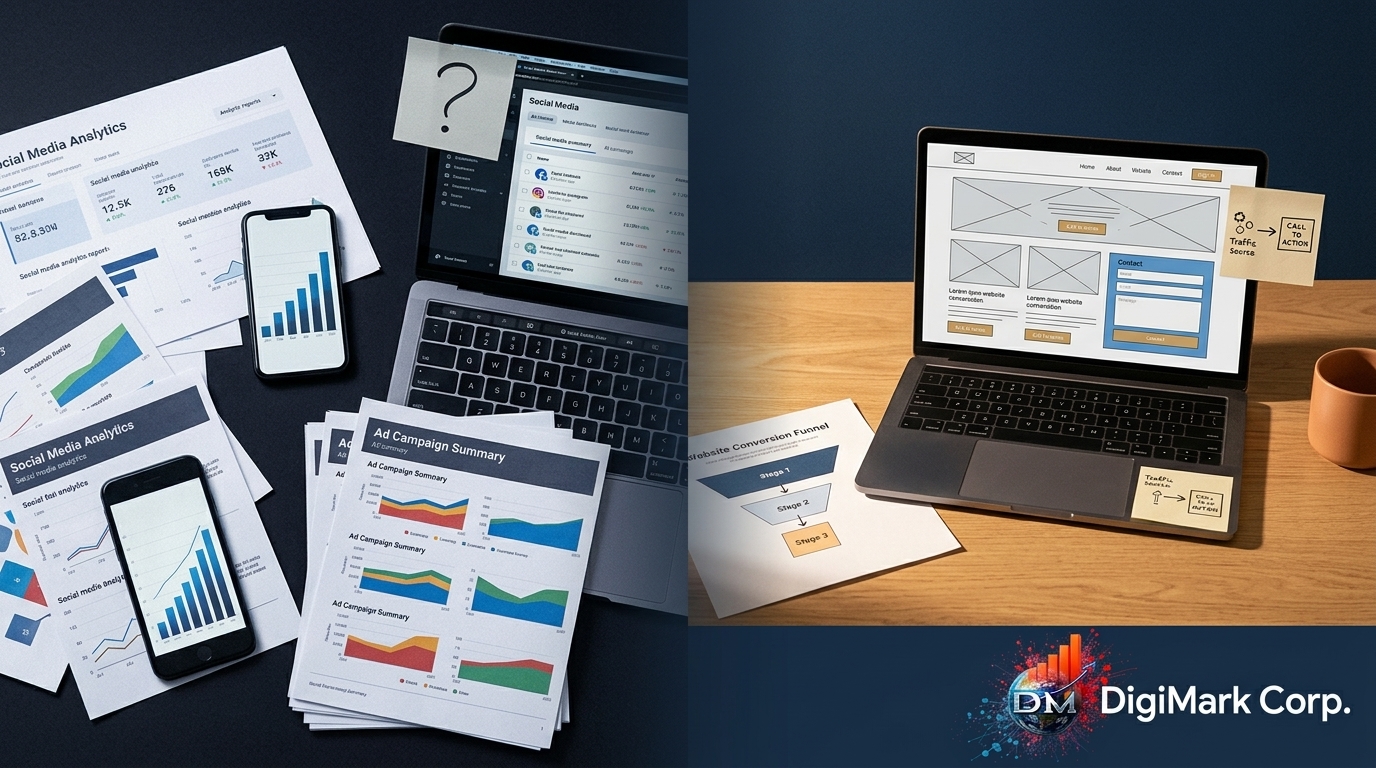
An integrated marketing strategy connects your efforts and maximizes results. Let’s explore how channels work together.
Aligning Channels: SEO, PPC, and Social
Aligning SEO, PPC, and social media creates a cohesive strategy. Each channel drives relevant traffic to your site. Together, they enhance visibility and bring in more qualified leads. This synergy boosts the impact of your online presence.
Measuring Success: Real-Time Dashboards
Use real-time dashboards to track performance. These tools provide instant insights into how campaigns are doing. You’ll see where to adjust strategies and capitalize on opportunities, ensuring your marketing efforts remain effective.
Conversion Readiness Audit: Your Next Step
Evaluating your site’s readiness for conversion is crucial. A conversion readiness audit highlights areas for improvement. It ensures your site is equipped to turn traffic into leads. Ready to see your site’s potential? Start with this conversion rate optimization resource.
Frequently Asked Questions
What is conversion-focused web design?
Conversion-focused web design creates websites that turn visitors into customers. It emphasizes user experience, clear messaging, and easy navigation to encourage actions like purchases or sign-ups.
How can I improve my website’s conversion rate?
Improve conversion rates by optimizing site speed, ensuring mobile friendliness, and using clear calls-to-action. Regularly evaluate your site’s performance and make data-driven adjustments.
What role does SEO play in conversion?
SEO attracts qualified traffic by ranking your site higher in search results. When combined with a conversion-focused design, it increases the chances of turning visitors into leads or sales.
Why is an integrated marketing system important?
An integrated marketing system ensures that all channels work together, driving consistent traffic and enhancing conversion opportunities. This synergy maximizes the impact of your marketing efforts.
How can a real-time marketing dashboard help my business?
A real-time marketing dashboard provides up-to-date insights into your campaign performance. It helps you track results, make informed decisions, and adjust strategies for better outcomes.