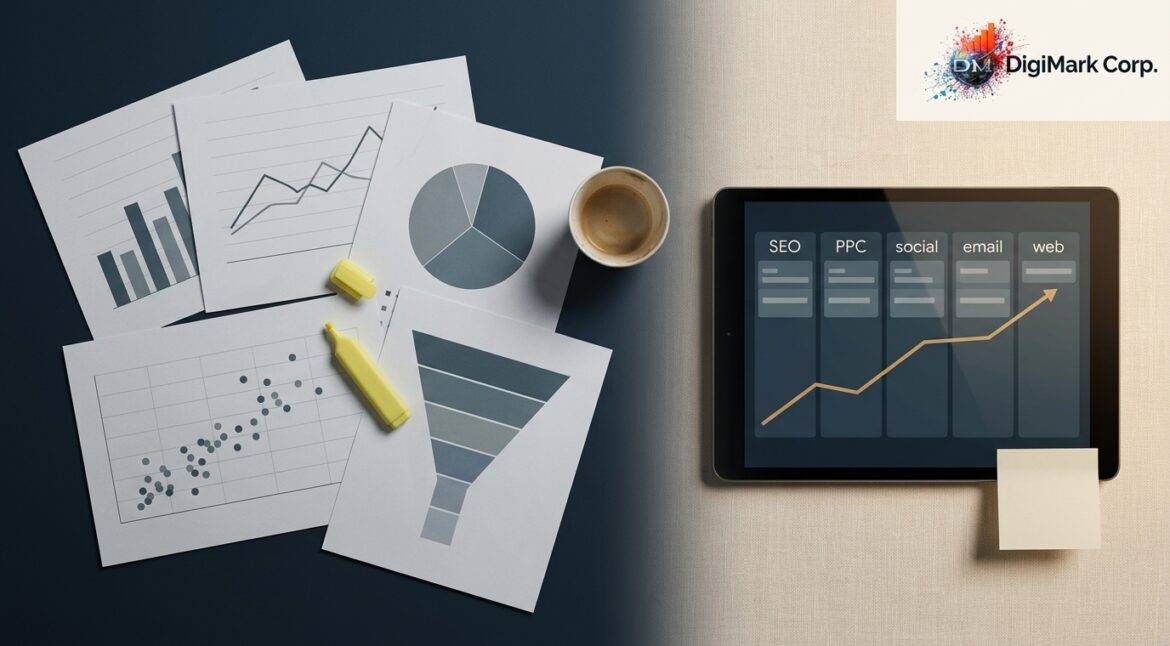
Juggling five separate reports as Q2 wraps up leaves you scrambling to find what actually drives growth. When SEO, PPC, social, web, and email data stand alone, chaos takes over your planning. The smartest 90-day growth plan starts with one integrated marketing dashboard that shows exactly where to focus now—so you can finish Q2 strong and enter the next quarter with clear priorities and confidence. Check out some examples of marketing dashboards.
The Chaos of Fragmented Reporting
When reports from different channels don’t connect, confusion grows. Each report tells part of the story, but none give the full picture needed for clear decisions.
Challenges of Multiple Reports
Handling several reports creates more problems than it solves. Each one shows different data in its own way. You might see something working great in one report while another tells a different story. This inconsistency makes it tough to know which channel truly drives growth. Without a unified view, sorting through this mess wastes time and leaves you guessing.
Impact on Decision Making
When information is scattered, making smart choices becomes a struggle. You’re left piecing together bits of data, trying to find patterns that reveal what truly matters. This patchwork approach can lead to missed opportunities and wrong turns. Instead of focusing on growth, you’re bogged down in trying to understand the numbers. The longer you rely on fragmented reporting, the harder it is to plan effectively.
The Power of an Integrated Dashboard
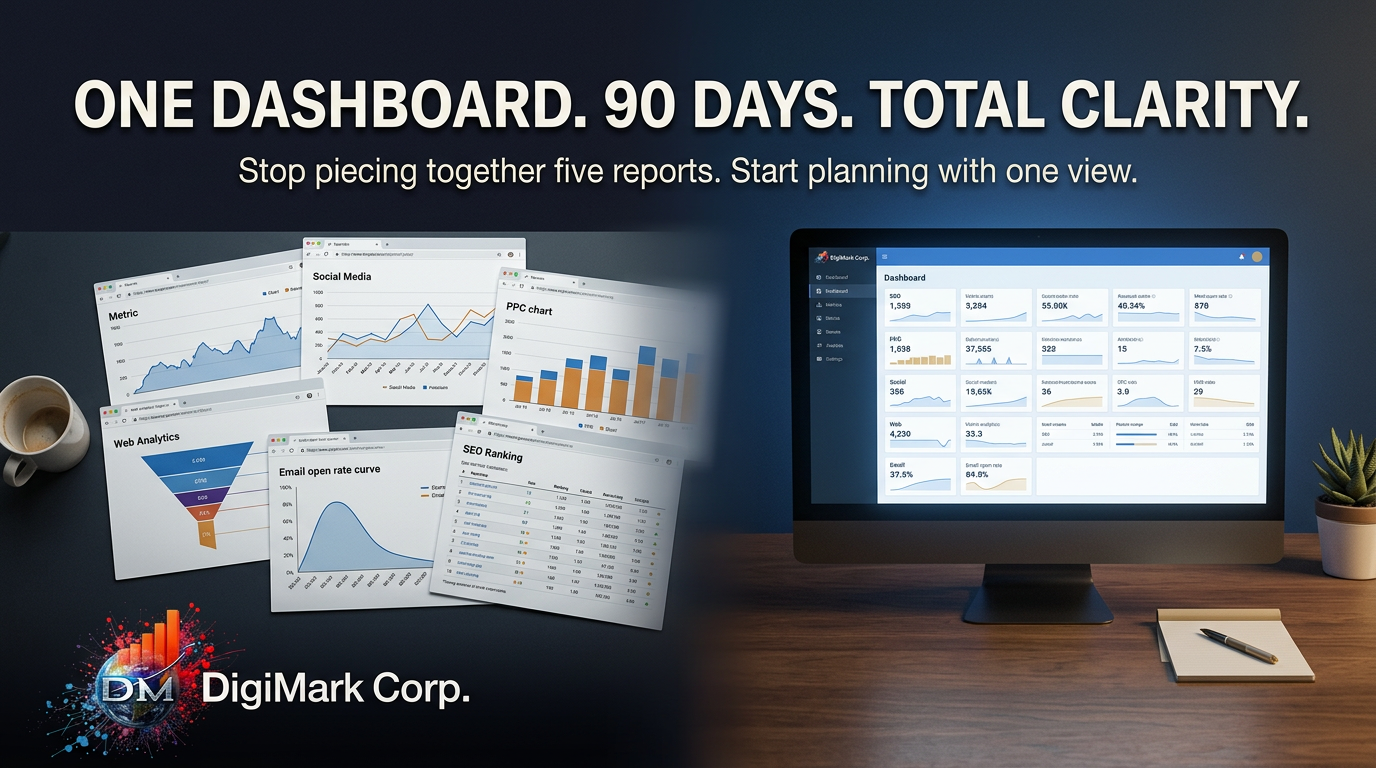
Imagine having one place that pulls everything together. An integrated dashboard does just that, offering a clear snapshot of your marketing efforts. This shifts your focus from confusion to clarity.
Single Source of Truth
With one dashboard, you gain a complete view of your marketing landscape. It’s like having a trusty map that guides every decision. Instead of guessing, you’re relying on accurate data. This unified source saves time and boosts confidence. You can see how SEO, PPC, and other channels interact, creating a clearer path to growth. Learn more about mastering marketing analytics with marketing dashboards.
Real-Time Performance Insights
Having real-time data means you’re always in the loop. You can spot trends as they happen and adjust quickly. This nimbleness turns challenges into opportunities. With up-to-the-minute insights, decisions become easier and more effective. You’re not just observing what’s happening, you’re actively steering your marketing strategy. Check out how real-time dashboards can enhance marketing.
Planning Your 90-Day Growth Strategy
As you transition into a new quarter, a solid plan is key. An integrated dashboard helps set priorities, ensuring every step you take is purposeful and aligned.
Setting Clear Priorities
Start by identifying what truly matters for growth. With all data in one place, priorities become clear. You know which channels to focus on and what adjustments are needed. This clarity helps you make informed decisions for a strong finish to Q2. A good plan turns confusion into confidence.
Aligning Goals with Actions
It’s not just about setting goals, but ensuring actions lead to them. With a clear view of your marketing efforts, aligning actions with goals becomes seamless. Every move you make is backed by data, ensuring your strategy is on target. This alignment turns plans into results, paving the way for sustained growth.
In conclusion, an integrated dashboard transforms your approach from chaos to clarity. It provides the insight needed to make smart decisions and set a clear path for growth. As you close Q2 and look ahead, remember that the right tools can make all the difference. Embrace the power of a unified view and watch your marketing efforts thrive.