
Google Ads cost isn’t a mystery to leave to chance—it’s a tool you can plan around to drive real growth. Spending without a clear target often leads to wasted budget on broad targeting and weak offers. When your Google Ads budget ties directly to qualified traffic and measurable results, every dollar works harder. Let’s break down how to shift from guesswork to a data-driven plan that delivers ROI you can track in the first 30 days. For more insights, you can explore this guide on Google Ads for small businesses.
Understanding Google Ads Cost
Let’s dive into the heart of Google Ads cost and what makes it more than just a line on your budget. The goal is to rethink it as a key component of your growth strategy.
Reframing Ad Spend
Google Ads cost should be seen as an investment, not just an expense. By understanding how each dollar contributes to your growth, you’re better positioned to make strategic decisions. The first step is to link ad spend directly to outcomes like qualified traffic and conversions. This connection ensures that every penny is working towards a clear goal. If you’re unsure about the best approach, consulting with a Google Ads management agency can provide clarity.
What Google Ads Cost Covers
Your Google Ads budget isn’t just about paying for clicks. It covers a range of elements, including targeting, ad creatives, and landing page optimization. Each component plays a crucial role in your campaign’s success. Targeting ensures your ads reach the right audience, while creatives capture attention. Landing pages must convert visitors into leads or customers. Understanding these elements helps allocate budget more effectively and avoid unnecessary expenses.
Common Budget Surprises
Budget surprises often stem from misaligned targeting or ineffective offers. When ads target too broad an audience, costs rise without boosting conversions. Similarly, weak offers fail to entice users to take action, wasting potential. By refining targeting and strengthening offers, you can mitigate these surprises. Focus on delivering value to your audience, and your budget will yield better results.
Optimizing Your Google Ads Budget
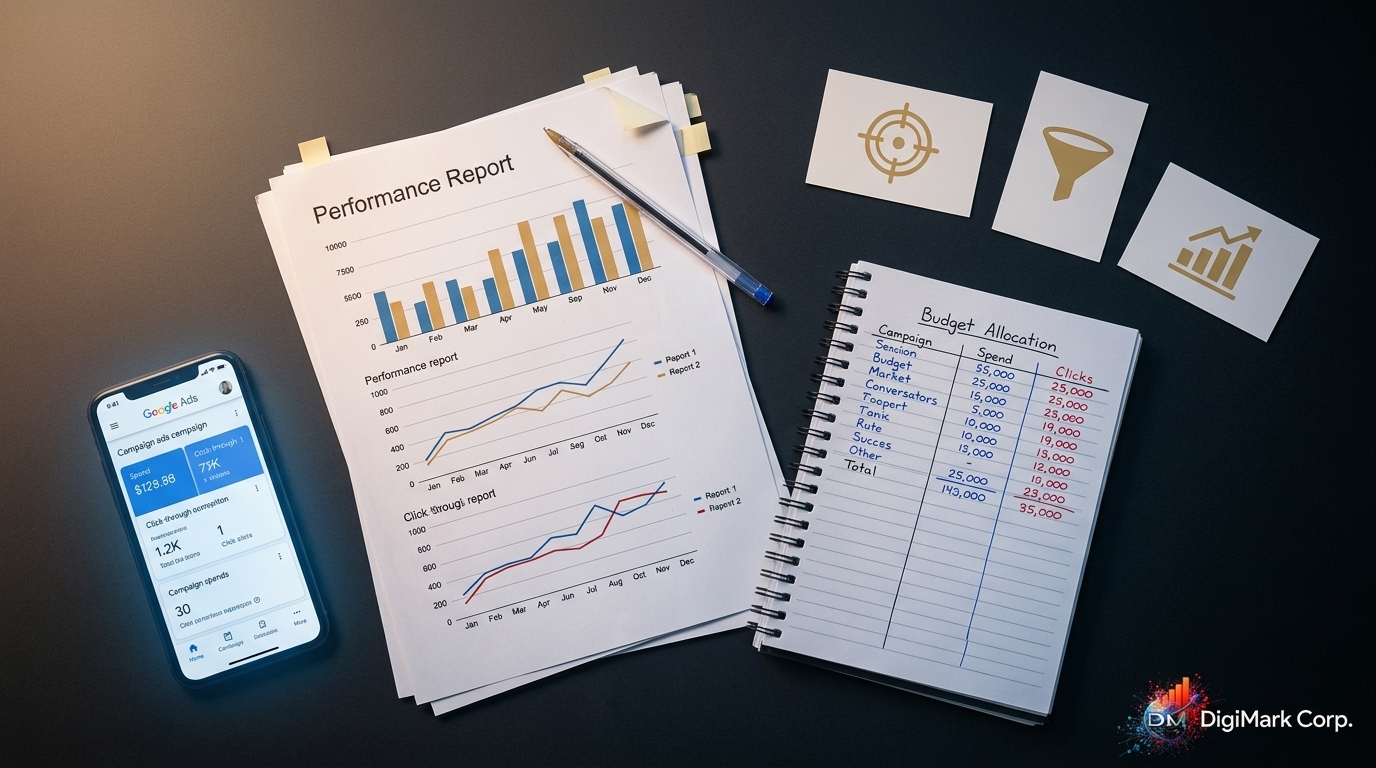
Now that we understand the basics, let’s explore how to optimize your Google Ads budget for maximum impact. This involves identifying and eliminating wasteful spending.
Identifying Budget Waste
Budget waste often occurs in areas like broad targeting or irrelevant keyword bids. To combat this, regularly review your campaigns and assess performance. Identify keywords that aren’t converting and pause them. Furthermore, examine audience settings to ensure you’re reaching potential buyers. By tightening your targeting and refining your keyword strategy, you can reduce waste and increase ROI.
Aligning Offers with Ads
A strong offer aligned with your ad can significantly improve performance. Ensure the messaging in your ad reflects the value of your offer. Doing so creates a seamless experience for users, increasing the chance of conversion. Test different offers to see which resonates most with your audience. When your ads and offers align, you’ll see a noticeable lift in engagement and conversions.
Enhancing Landing Page Conversion
Landing pages are where conversions happen, and optimizing them is essential. Make sure your landing page delivers on the promise of your ad and provides a clear call to action. Test different layouts, headlines, and forms to see what works best. By continuously refining your landing pages, you can improve conversion rates and make the most of your ad spend. For more tips on enhancing your landing page, check out our website traffic game plan.
Data-Driven Strategies for ROI
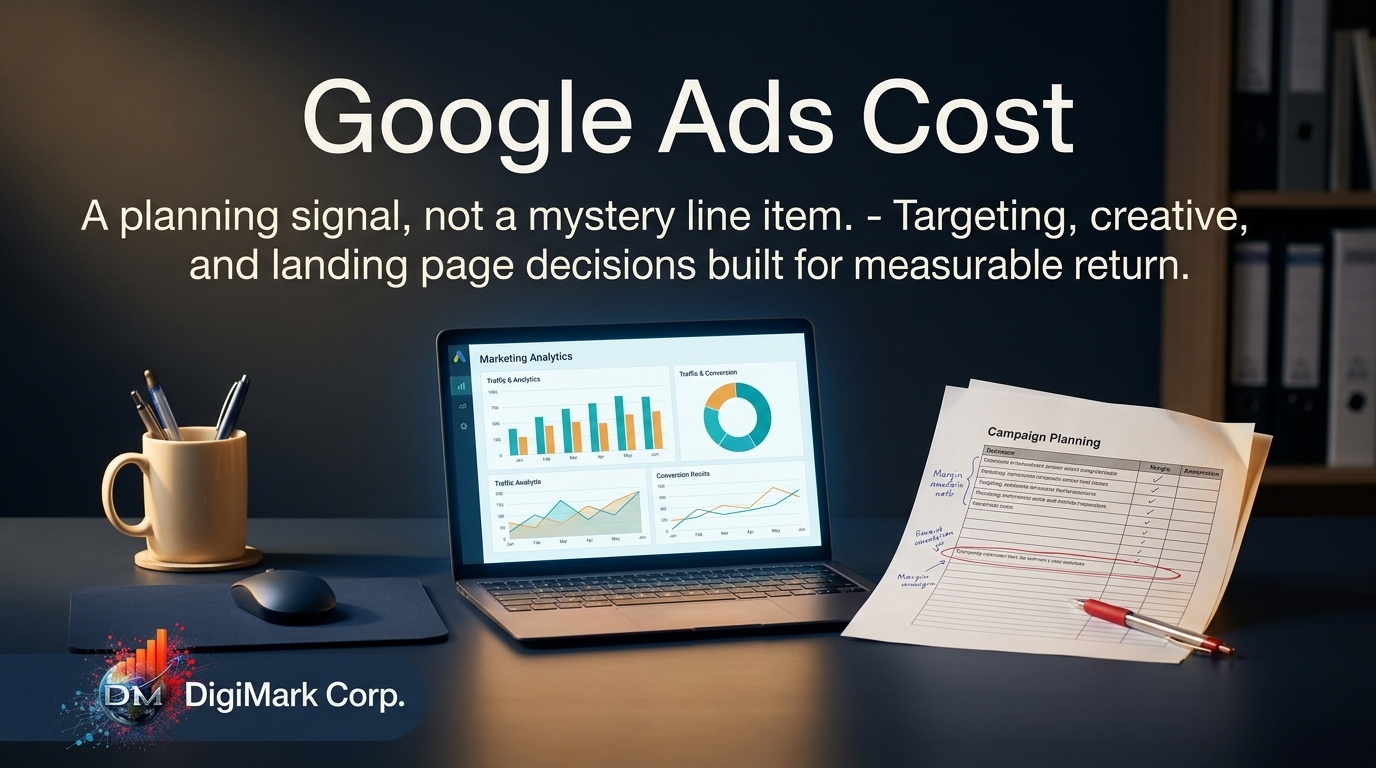
Achieving a strong ROI from Google Ads requires data-driven strategies. Let’s explore how to protect your investment and maximize returns.
Protecting Your Investment
To protect your investment, regularly monitor campaign performance and adjust as needed. Use data to identify underperforming areas and make informed decisions. By doing so, you can safeguard your budget and ensure it’s driving results. Additionally, consider using negative keywords to filter out irrelevant traffic, which helps maintain cost-efficiency.
Real-Time Conversion Tracking
Conversion tracking is crucial for understanding the effectiveness of your campaigns. Implement real-time tracking to gain insights into user behavior and conversion paths. With this data, you can make adjustments in real-time, optimizing for better performance. Conversion tracking setup is key to ensuring you’re not just spending but investing wisely.
Effective Keyword Targeting
Effective keyword targeting is a cornerstone of successful Google Ads campaigns. Focus on specific, high-intent keywords that align with your business goals. Regularly review and refine your keyword list, removing those that don’t convert and adding new opportunities. A strong keyword targeting strategy can increase your ad’s relevance and improve Quality Score, leading to better ad placements and lower costs.
Frequently Asked Questions
How much does Google Ads cost on average?
Google Ads costs vary widely, depending on industry, competition, and keyword selection. On average, businesses might spend between $1 to $2 per click for search ads.
What factors influence Google Ads pricing?
Several factors affect Google Ads pricing, including keyword competition, Quality Score, and targeting options. High competition for popular keywords can drive up costs.
How can I improve my Google Ads ROI?
To improve ROI, focus on precise targeting, compelling ad creatives, and optimized landing pages. Regular monitoring and adjustments based on performance data are also crucial.
What is the importance of Quality Score in Google Ads?
Quality Score impacts ad position and cost-per-click. A higher Quality Score means better ad placements and lower costs, as it indicates relevance and quality to Google.
How often should I review my Google Ads campaigns?
Regular reviews are essential, ideally weekly or bi-weekly. Frequent analysis helps identify areas for improvement and ensures your budget is effectively utilized.