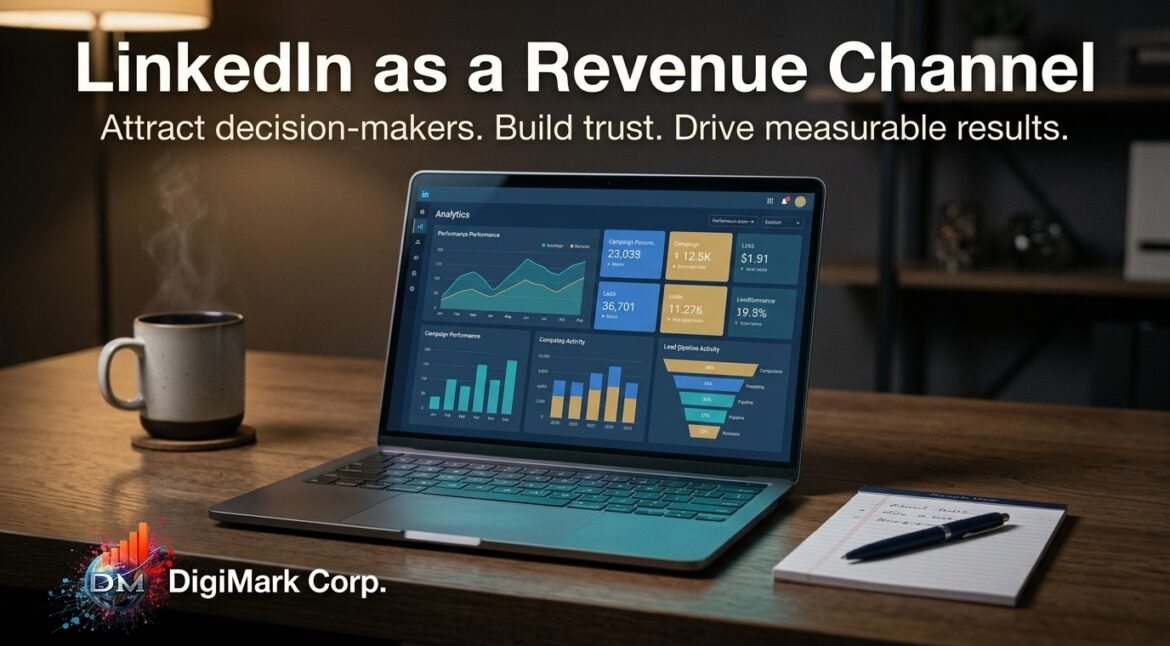
LinkedIn isn’t just a place to post updates—it’s a powerful revenue channel when used right. Many businesses miss out by treating it like a brand billboard instead of a lead machine. When LinkedIn lead generation fits into a clear, measurable growth plan, it connects you with decision-makers and drives real pipeline growth tied to your fiscal year goals. Let’s break down how to make LinkedIn work as part of your integrated marketing system. Learn more about optimizing LinkedIn for lead generation.
Section Title
SubSection Title
Section Content
Explore our insights on marketing automation in this comprehensive guide.
LinkedIn as a Growth Tool
LinkedIn can do more than just showcase your brand; it can drive significant growth if used strategically. Understanding its potential involves focusing on key areas where it truly shines.
Building Decision-Maker Trust
Establishing trust with decision-makers is crucial on LinkedIn. You can connect directly with those who hold influence in their organizations. By sharing valuable content and engaging in meaningful conversations, you build credibility. Regular updates on industry trends or insights into your field show your expertise. The goal is to become a trusted voice that decision-makers look to for guidance.
Attracting Qualified Leads
LinkedIn is a prime platform for attracting leads that matter. By targeting specific industries or job titles, you reach the right audience. Crafting content that speaks to their challenges and offering solutions positions you as a go-to resource. Use LinkedIn groups and participate in discussions to expand your reach. The more you engage, the more you attract those who are genuinely interested in your offerings. Check out this guide on LinkedIn lead generation for more tips.
Supporting Fiscal Year Goals
Aligning LinkedIn efforts with your fiscal year goals ensures every action supports your business objectives. Whether it’s increasing brand awareness or driving conversions, setting clear, measurable targets is key. Use LinkedIn analytics to track progress and adjust strategies as needed. This proactive approach keeps your LinkedIn efforts aligned with overall business growth plans. For a deeper dive, visit this guide on B2B LinkedIn lead generation.
Integrating LinkedIn into Your Strategy

For LinkedIn to truly contribute to growth, it must be part of a larger system. Let’s look at how to seamlessly integrate it into your overall strategy.
Connecting to a Larger System
Think of LinkedIn as one cog in your marketing machine. It should work alongside other channels like email, SEO, and PPC. When these elements are interconnected, they reinforce each other, amplifying your reach and impact. This integration ensures your message is consistent across all touchpoints, building a stronger brand presence. Visit this blog to see how LinkedIn fits into a broader digital strategy.
Creating Clear Conversion Paths
Your LinkedIn profile and content should guide potential leads towards conversion. This involves defining clear steps for users to follow, such as signing up for a newsletter or booking a consultation. Each post or interaction should serve a purpose in this funnel, leading them closer to becoming a customer. Clear calls to action are essential in guiding users through the conversion path.
Leveraging CRM and Automation
Integrating LinkedIn with your CRM system allows for efficient lead tracking and nurturing. Automation tools can streamline follow-ups and keep leads engaged. This seamless connection ensures no lead slips through the cracks and every interaction is documented. By automating parts of your LinkedIn strategy, you maintain consistent engagement without constant manual input. Learn about marketing automation and its benefits for predictable growth.
Strategies for LinkedIn Success
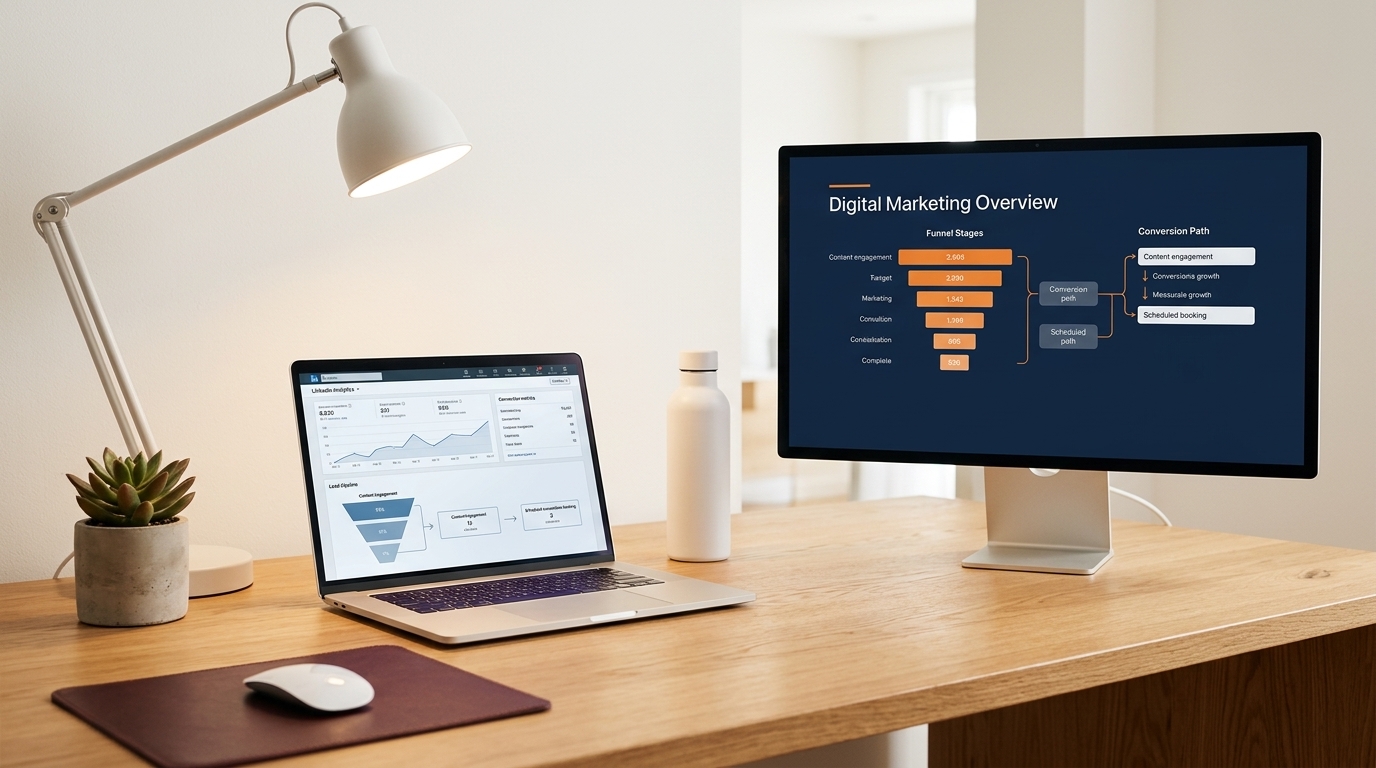
To harness LinkedIn’s full potential, specific strategies are essential. Here’s how you can maximize the return on your efforts.
Executing ABM on LinkedIn
Account-based marketing (ABM) aligns perfectly with LinkedIn. Focus on high-value accounts by tailoring your content and interactions to their needs. Personalized messages and content demonstrate that you understand their specific challenges. This targeted approach enhances engagement and increases the likelihood of conversion.
Optimizing LinkedIn Ads ROI
LinkedIn ads can be a powerful tool if used correctly. Start by defining your target audience and setting specific goals for each campaign. Monitor performance data closely to refine and adjust strategies for better results. Testing different ad formats and messages can also reveal what resonates most with your audience, improving ROI. Explore more on LinkedIn ads ROI and its optimization.
Developing Thought Leadership Content
Content that positions you as an industry leader attracts both followers and potential customers. Share insights, analyses, and opinions on industry developments. This not only builds your reputation but also encourages engagement from those interested in your expertise. Thought leadership content is a powerful way to stand out among competitors and draw attention from key decision-makers.
Frequently Asked Questions
How can LinkedIn support fiscal year goals?
LinkedIn supports fiscal year goals by aligning its strategies with your business objectives, using analytics to track progress, and adjusting tactics to ensure alignment with growth plans.
What is the role of CRM in LinkedIn strategy?
CRM integration with LinkedIn helps track and nurture leads efficiently, ensuring consistent engagement and preventing potential leads from slipping through the cracks.
How does ABM work on LinkedIn?
ABM on LinkedIn focuses on high-value accounts by tailoring content and interactions to specific needs, enhancing engagement and increasing conversion likelihood.