
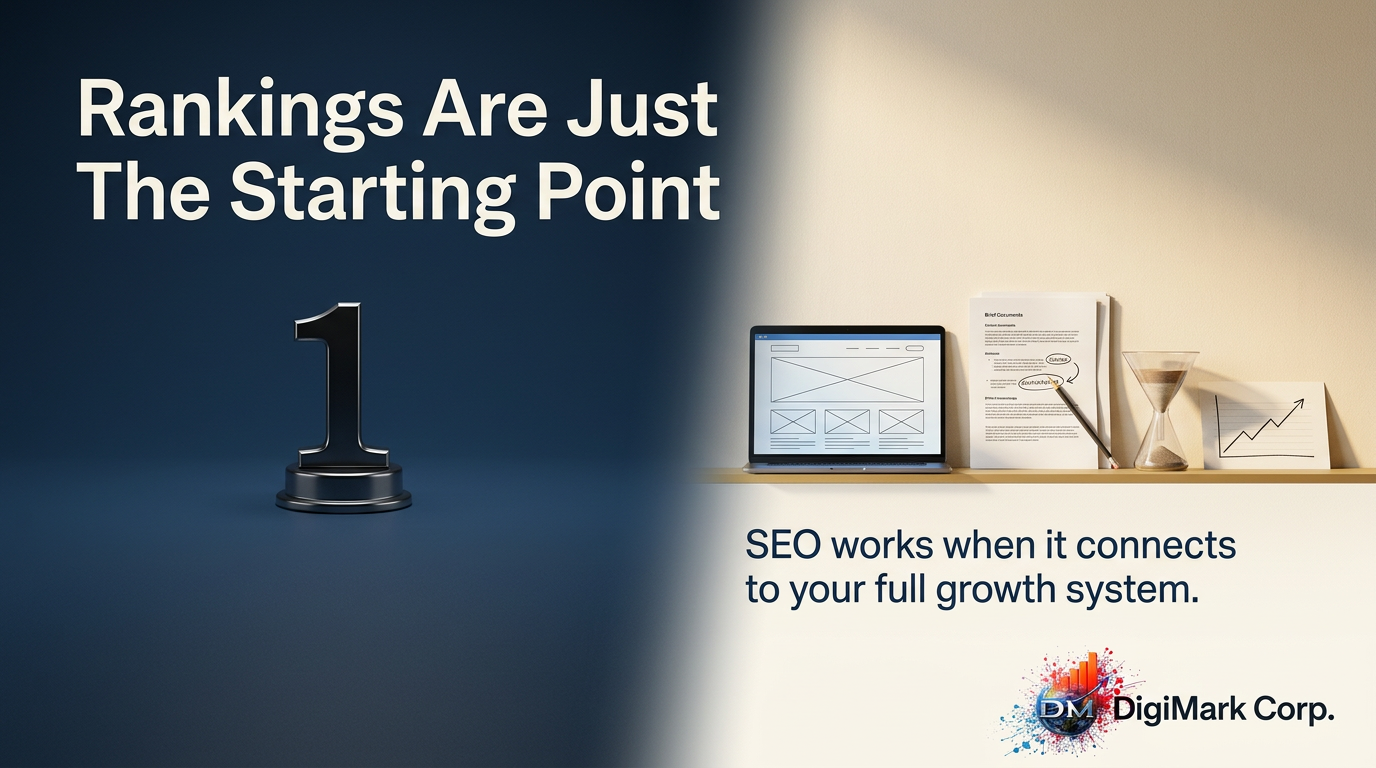
Most businesses treat higher search rankings like the finish line. But ranking alone won’t bring you qualified leads or sustainable growth. After 20 years in integrated digital marketing, we’ve seen the real winners connect SEO strategy to conversion, lead quality, and a full channel roadmap. Let’s clear the confusion and show you how to build a growth plan that works beyond just the rankings. Learn more.
Beyond Ranking: The True SEO Strategy
The real power of SEO isn’t just about getting to the top of search results. It’s about creating a meaningful connection with your audience that leads to growth.
Common SEO Missteps
Many businesses chase high rankings without considering the bigger picture. The focus tends to be on search engine results pages, neglecting what happens after the click. Most people think getting to the first page is enough, but without a plan, traffic won’t translate into success.
A frequent error is not aligning SEO efforts with business goals. Simply put, if your SEO strategy doesn’t tie into what your business needs, you’re missing the mark. The key is to drive traffic that converts into sales or leads, not just visitors.
Another common misstep is ignoring user intent. Understanding why someone searches is crucial. If your content doesn’t match their needs, you lose potential customers. Start thinking about what your audience is really looking for, and tailor your content to meet those needs.
Evaluating SEO for Business Growth
SEO should be evaluated based on the business growth it generates. High rankings can be impressive, but they mean little if they don’t deliver results. Here’s the key insight: measure success by the quality of leads and conversions, not just clicks.
Look at metrics that matter, like conversion rates and lead quality. These will paint a clearer picture of your SEO’s effectiveness. It’s not enough to have visitors; you need the right visitors who are likely to engage with your offerings.
Successful SEO strategies incorporate measurable goals tied to business outcomes. Set targets for lead generation and sales, rather than just rankings. This approach ensures that your SEO efforts contribute to overall growth and not just visibility.
Connecting Search Intent and Conversion
Understanding search intent is crucial for turning visits into conversions. When you know what drives your audience, you can create content that speaks directly to their needs.
Focus on what your potential customers are searching for. Create content that answers their questions and guides them towards your solutions. The longer you wait to optimize for intent, the more opportunities you miss to convert.
Aligning content with search intent also improves engagement. When visitors find what they’re looking for, they’re more likely to stay and explore. This increases the chances of converting them into loyal customers.
Integrated Digital Marketing for Success
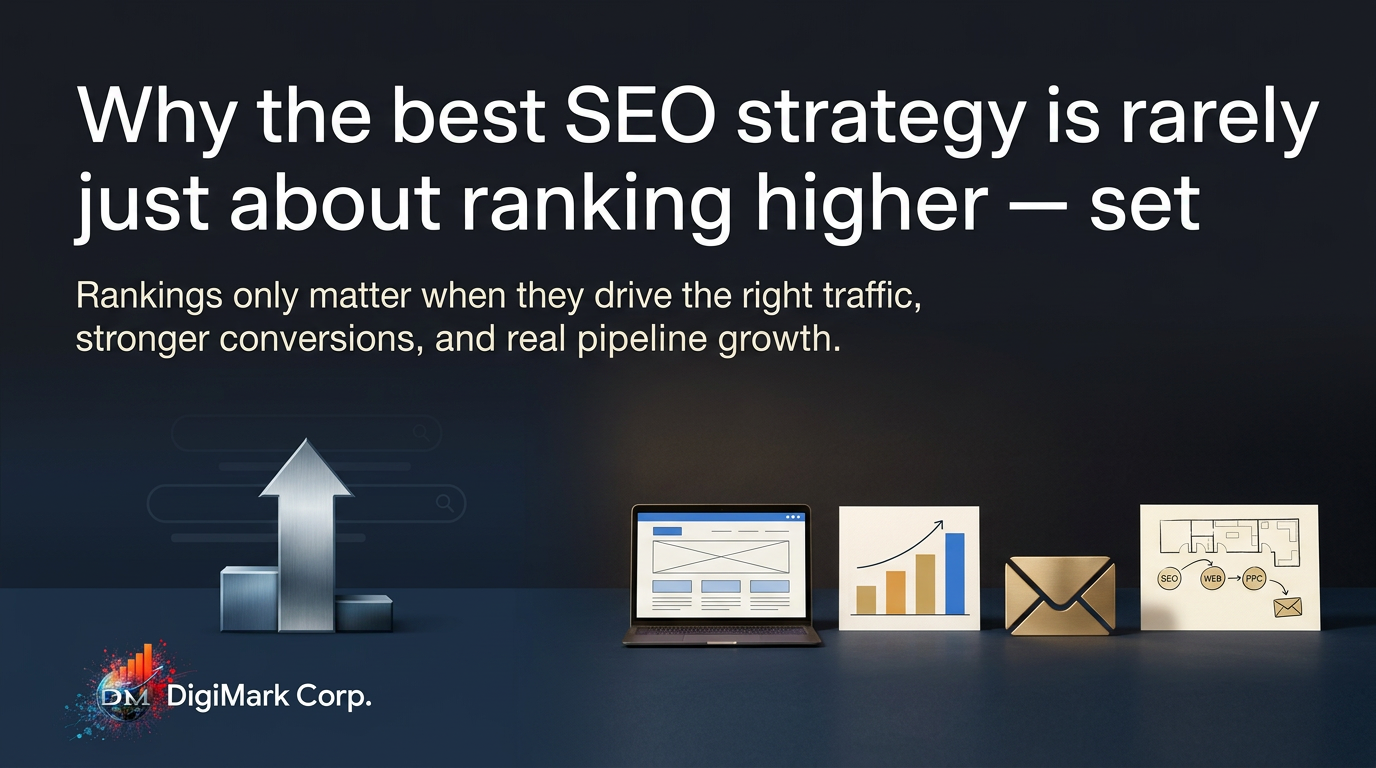
Connecting SEO with other digital strategies ensures long-term success. It’s about creating a seamless experience that guides potential customers from one step to the next.
Multi-Channel Marketing Approach
An effective strategy combines multiple channels to reach your audience wherever they are. This isn’t just about being everywhere; it’s about being strategic with your presence.
Use a blend of SEO, PPC, social media, and more. Each channel offers unique opportunities to connect with your audience. Consider this example: using social media to boost your SEO efforts by sharing valuable content that drives traffic to your site.
Integrated marketing also means consistent messaging. No matter where your audience finds you, they should get the same message. This builds trust and familiarity, making it easier to convert leads into paying customers.
The Role of Content Strategy
Content is the backbone of any successful marketing plan. It attracts, educates, and converts visitors into leads and customers.
Create content that addresses your audience’s pain points. This positions your brand as a helpful resource, increasing trust and brand loyalty. Most think content is just about keywords, but it’s more about providing value.
Regularly update your content to keep it relevant and engaging. This not only helps with SEO but also keeps your audience coming back for more. A well-planned content strategy supports every stage of the buyer’s journey, from awareness to decision-making.
Aligning SEO and PPC Efforts
Aligning SEO and PPC can maximize your results. While SEO focuses on organic growth, PPC provides instant visibility. Together, they create a powerful strategy.
Use PPC to test keywords and content. This provides insights that can improve your SEO strategy. For instance, if a PPC campaign shows a certain keyword converts well, optimize your content for that keyword.
Coordination between SEO and PPC leads to better data-driven decisions. It allows you to see what works and what doesn’t, adjusting your strategy for maximum impact. When done right, this alignment boosts your overall marketing effectiveness.
Creating a Sustainable Growth Roadmap
To achieve lasting success, you need a roadmap that connects every aspect of your digital marketing efforts.
Importance of Qualified Leads
Not all leads are created equal. Focus on attracting qualified leads that are more likely to convert into customers.
Use data to identify characteristics of high-quality leads. This includes demographics, behavior, and engagement patterns. With this information, you can tailor your marketing efforts to attract the right audience.
Educate your team on the value of qualified leads. Emphasize quality over quantity to ensure marketing efforts drive meaningful results.
Conversion Rate Optimization Tactics
Optimizing your conversion rate is key to turning visitors into customers. Small changes can lead to significant improvements in your results.
Test different elements of your website to see what works best. This includes headlines, images, and calls to action. Even minor tweaks can lead to big increases in conversion rates.
Analyze user behavior to identify barriers to conversion. Once you understand why visitors aren’t converting, you can make changes to improve their experience and boost sales.
The Power of Web Design and SEO
Your website is your digital storefront. A well-designed site supports your SEO and enhances user experience.
Ensure your website is easy to navigate and mobile-friendly. Visitors should find what they need without frustration. Remember, the longer they stay, the more likely they are to convert.
Integrate SEO best practices into your web design. This includes optimizing page load speeds and ensuring your site is search engine friendly. A cohesive approach ensures your website attracts and retains visitors, turning them into loyal customers.
By implementing these strategies, you can create a comprehensive digital marketing plan that drives real business growth. Instead of focusing solely on rankings, aim for a holistic approach that connects every aspect of your marketing efforts. This will ensure you attract the right audience and achieve sustainable success.