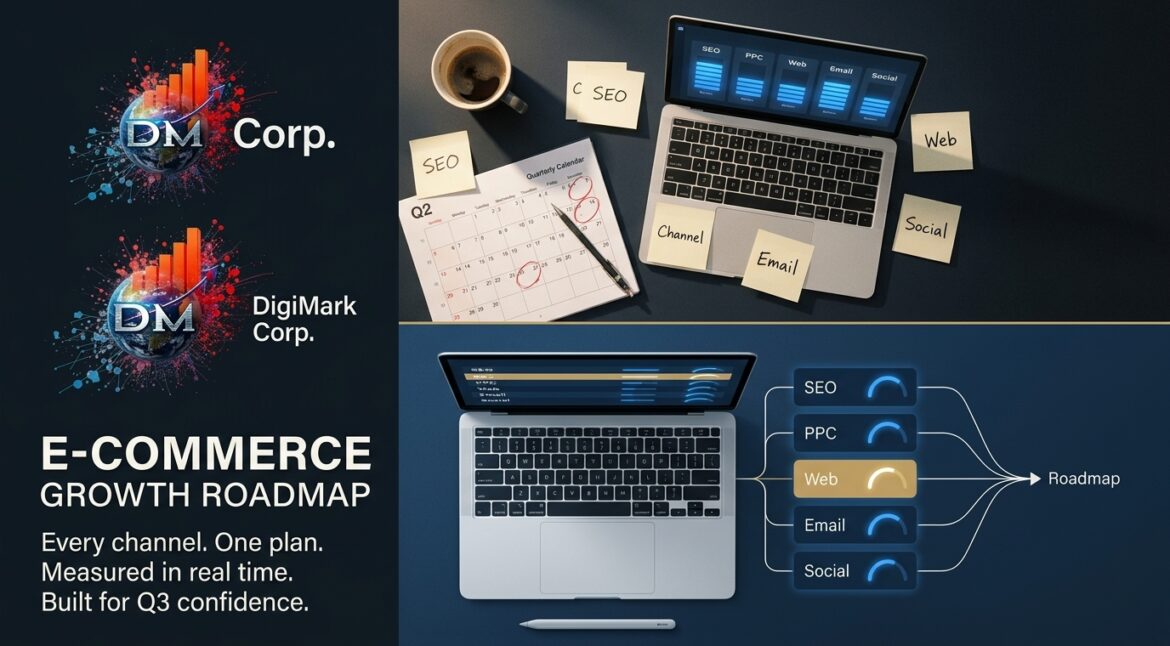
Most ecommerce brands waste weeks guessing which channel will drive growth next quarter. You feel the pressure as Q2 ends, unsure where to focus before Q3 hits. The truth is, growth doesn’t come from one channel alone—it comes from a clear ecommerce growth roadmap that links SEO, PPC, web design, email, and social into one plan you can track and adjust in real time. Here’s how to build that roadmap and stay in control as the next quarter unfolds. For more insights, check out this video.
In the world of ecommerce, focusing on a comprehensive growth strategy is essential. Integrating a robust Ecommerce Website Design into your plan can be your fastest Q2 revenue lever.
Building a Unified Growth Roadmap
A strong growth roadmap for ecommerce begins by eliminating guesswork across channels. Here’s how you can start to see a clearer picture of what drives growth.
Overcoming Channel Guesswork
To grow your ecommerce store, avoid the trap of guessing which channel will work best. Instead, create a plan that combines all channels: SEO, PPC, web design, email, and social media. This way, you are not putting all your eggs in one basket. When every channel works together, you have a better chance of seeing real growth. Most people think one channel will unlock growth, but the real magic happens when they all unite.
Creating a Custom Strategy
A custom strategy is your secret weapon. Begin by identifying your goals and target audience. Next, analyze your current marketing efforts. Are you using SEO to its full potential? Is your PPC campaign effectively driving traffic? By asking these questions, you create a tailored approach that focuses on your business’s unique needs. Remember to adjust your strategy as you learn what works best. This flexibility helps your business grow in a more predictable way, turning uncertainty into opportunity.
Benefits of Integrated Planning
Integrated planning lets you see the whole picture. With all channels working in tandem, you gain insights that isolated efforts cannot provide. This approach allows you to measure and adapt, ensuring your strategy remains effective. When you integrate your marketing efforts, you also improve communication between teams, reducing confusion and increasing efficiency. Ultimately, this leads to better results and a higher return on investment.
Real-Time Dashboard Tracking
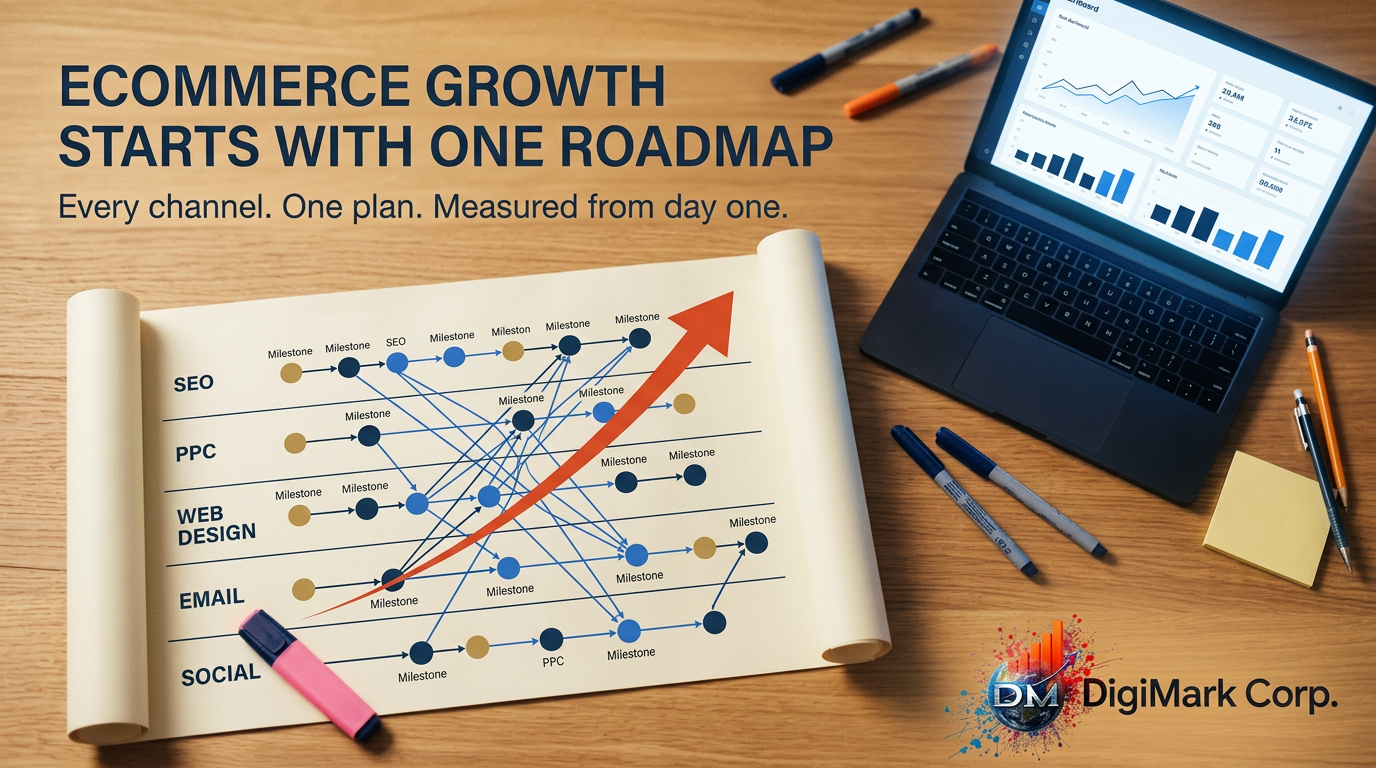
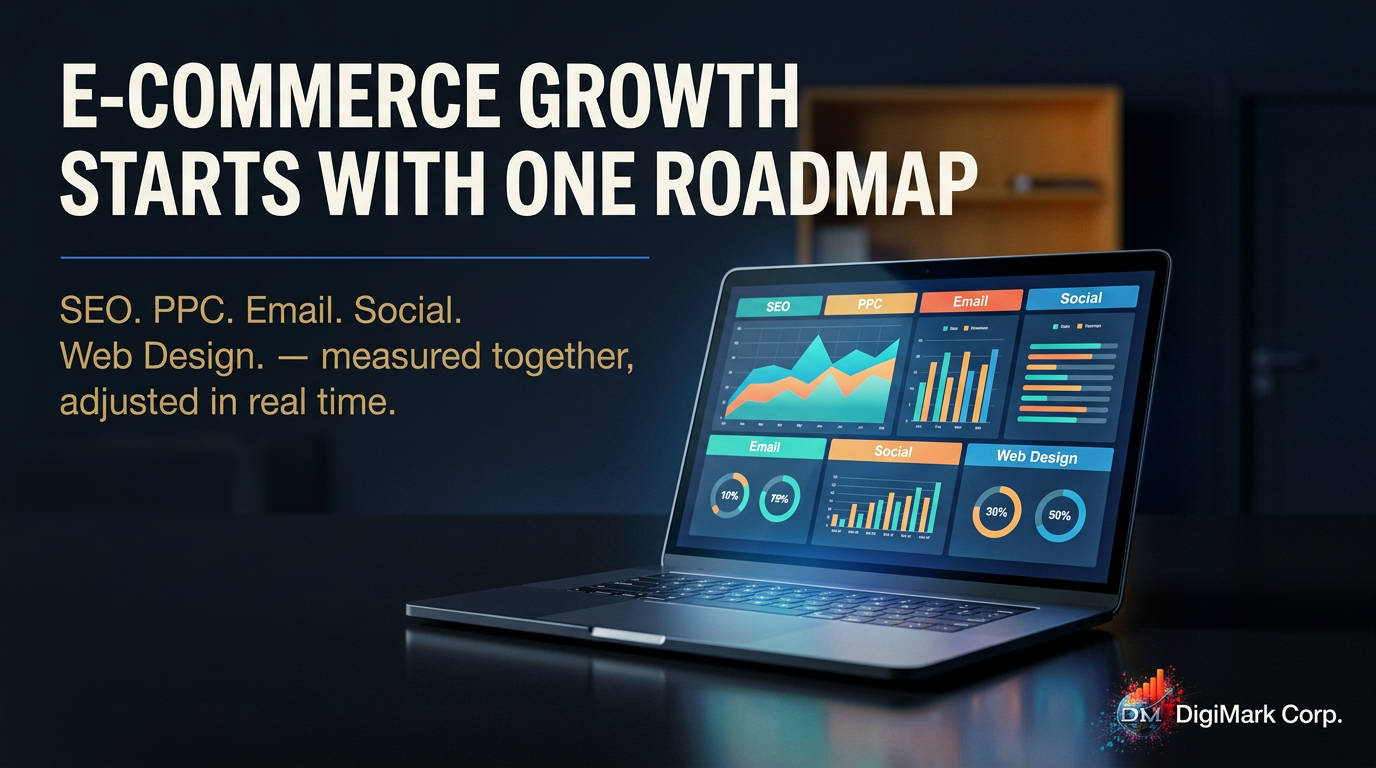
Once you have your roadmap, a real-time dashboard becomes crucial. It helps you keep track of everything and make informed decisions.
Importance of Transparency
Transparency in tracking is vital. A real-time marketing dashboard allows you to see what’s happening in real-time, helping you avoid surprises. By having all the data at your fingertips, you can quickly assess the health of your campaigns. This transparency builds trust within your team and ensures everyone is on the same page. Plus, it removes the guesswork, so you can focus on strategies that bring results.
Adjusting Plans on the Fly
The ability to adjust your plans swiftly is a game-changer. If a campaign isn’t performing, you can pivot without delay. Use the data from your dashboard to identify which strategies need tweaking. Maybe your PPC campaign needs a budget adjustment, or your social media posts require more engagement. By being flexible and responsive, you ensure your marketing efforts are always aligned with your goals, keeping your business on track for growth.
Monitoring Key Performance Indicators
Key Performance Indicators (KPIs) help you measure success. By monitoring them regularly, you can see which channels drive the most growth. Pay attention to metrics like conversion rate, customer lifetime value (CLV), and average order value (AOV). These numbers tell the story of your business’s health. When you focus on the right KPIs, you make informed decisions that lead to better outcomes. This data-driven approach is essential for achieving sustained success.
Implementing Cross-Channel Strategies
Now it’s time to put your plan into action. Implementing cross-channel strategies ensures all parts work together seamlessly.
Coordinating SEO and PPC Efforts
SEO and PPC are powerful tools when used together. SEO builds long-term visibility, while PPC provides instant traffic. By coordinating these efforts, you maximize your reach and increase your chances of conversion. For example, run PPC ads to test keywords before integrating them into your SEO strategy. This way, you save time and resources while still reaching your target audience effectively. The combination of these channels creates a comprehensive approach that drives meaningful results.
Enhancing Web Design and UX
Your website is your store’s digital front door. Ensuring it provides a great user experience (UX) is critical. Focus on creating an attractive, easy-to-navigate site that encourages visitors to explore and make purchases. Consider elements like loading speed, mobile-friendliness, and clear calls to action. By improving your web design and UX, you create a seamless experience that leads to higher conversion rates and more satisfied customers.
Boosting Social and Email Engagement
Social media and email marketing are powerful for engaging your audience. Use social platforms to build relationships and increase brand awareness. At the same time, create personalized email campaigns to nurture leads and encourage repeat business. By integrating these channels, you create a cohesive experience that keeps your audience engaged and invested in your brand. This synergy helps you maintain momentum and drive growth.
Frequently Asked Questions
What is an ecommerce growth roadmap?
An ecommerce growth roadmap is a strategic plan that outlines how to use multiple marketing channels like SEO, PPC, web design, email, and social media to drive growth. It creates a unified approach to achieving business goals.
Why is a real-time dashboard important for ecommerce?
A real-time dashboard provides transparency and allows you to track your marketing efforts in real-time. It helps you make informed decisions quickly, ensuring your strategy remains effective and aligned with your business goals.
How do you integrate SEO and PPC for ecommerce growth?
Integrating SEO and PPC involves using both strategies to complement each other. SEO builds long-term visibility, while PPC provides immediate traffic. By coordinating these efforts, you maximize reach and improve conversion rates.