
Most business owners track Google Analytics website traffic but still can’t tell which visits actually fuel sales. Traffic numbers alone don’t pay the bills—they just create noise. We’ve seen for over 20 years that the busiest channels often bring the weakest leads. This post breaks down how to read GA4 channel reporting so you can fund what drives real revenue, not just what looks impressive.
How to Increase Website Traffic
###[Understanding GA4 Channel Reporting]
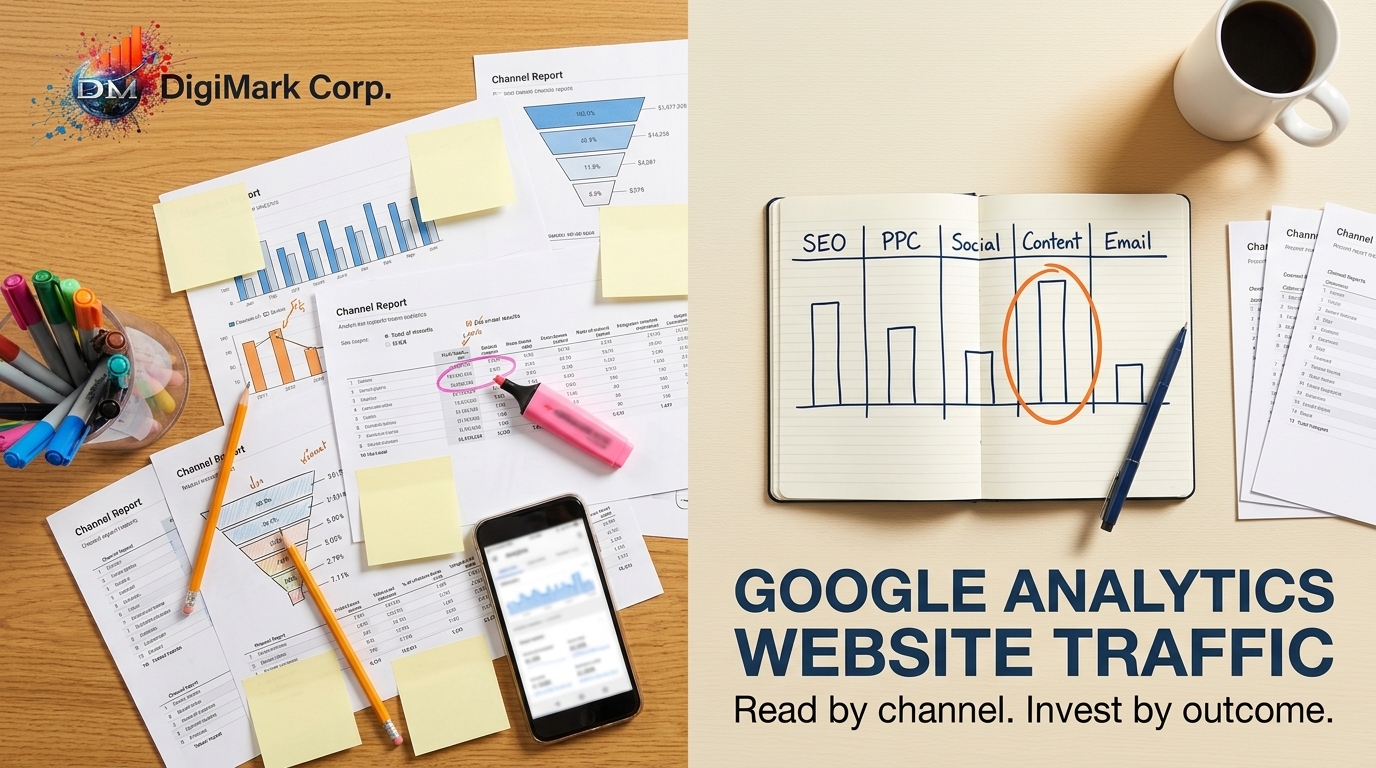
Reading your Google Analytics by channel and action is crucial to separating qualified leads from mere traffic volume. By analyzing website traffic by channel, you can discern which avenues truly support your business growth. This data-driven marketing strategy allows you to engage in budget planning with analytics that emphasize marketing ROI tracking.
Consider SEO vs PPC performance when evaluating web traffic. SEO might generate more visitors, but PPC could lead to higher conversion rates. Similarly, assess social media traffic quality and email marketing conversions. Utilizing real-time marketing dashboards simplifies conversion tracking setup and attribution modeling, ensuring your marketing funnel analytics and pipeline reporting align with actual business impact.
DigiMark Corp specializes in configuring GA4 to enhance conversion tracking and create an outcome map that links visits to revenue. Our approach includes implementing UTM tracking standards to sharpen attribution insights, thus improving content marketing ROI and lead quality metrics. By structuring GA4 channel reporting effectively, you can transform website traffic into tangible outcomes for your fiscal planning.
Visit our post on How to Increase Website Traffic (and Turn It Into Revenue): A Channel-by-Channel Game Plan for more insights on turning traffic into growth opportunities.
Reframe Google Analytics for Growth
Decision-Making with GA4
Google Analytics is more than just numbers on a screen. It’s a powerful tool for making strategic decisions. By diving into GA4, you gain insights on which channels are truly beneficial. Understanding these insights helps you prioritize actions that drive real growth.
The key is to identify not just where traffic originates, but where it leads. Look beyond the surface to see how each visit impacts your sales funnel. This focus will guide you in making choices that boost your bottom line, not just your visitor count.
Traffic Volume vs. Business Impact
Not all traffic is created equal. While high numbers may seem impressive, they don’t always translate to success. It’s essential to distinguish between sheer volume and meaningful engagement. A smaller audience that converts is more valuable than a large one that doesn’t.
To make this distinction, you need to focus on analytics that highlight business impact. This means looking at metrics like conversion rates, lead quality, and revenue generated. By shifting your focus to these indicators, you can fund the channels that genuinely contribute to your goals.
Strategic Budget Planning
Budget planning becomes more precise when guided by analytics. With GA4, you can allocate funds to the channels that offer the best return. This approach ensures your budget supports strategies that drive results, not just visibility.
Consider this: If social media drives traffic but email marketing seals the deal, your budget should reflect this. Use your insights to fund what works, ensuring every dollar spent is a step toward your business objectives.
Channel-Specific Insights
SEO vs. PPC Performance
SEO and PPC are powerful, but they serve different purposes. SEO builds organic growth over time, while PPC offers immediate visibility. Understanding their roles helps you balance your efforts.
Use analytics to compare their performance. SEO might bring consistent traffic, but PPC could provide quick wins. Decide what’s more critical for your strategy and allocate your resources accordingly. This balance can enhance your overall marketing effectiveness.
Social Media Traffic Quality
Social media is a massive traffic source, but is it quality traffic? By analyzing your data, you can determine which platforms drive valuable visitors. Look for engagement metrics like time on site and conversion rates.
Focus on the platforms that bring the most engaged users. Tailor your content and campaigns to these audiences. This targeted approach improves your chances of turning social media followers into loyal customers.
Email Marketing Conversions
Email marketing is often overlooked, but it’s a powerhouse for conversions. Analytics can reveal how well your emails perform, highlighting open rates, click-throughs, and conversion metrics.
Optimize based on these insights. If a particular type of email drives more sales, focus on that format. Use analytics to refine your email strategy, boosting conversions and maximizing ROI in this high-value channel.
Implementing Effective Analytics
Conversion Tracking Setup
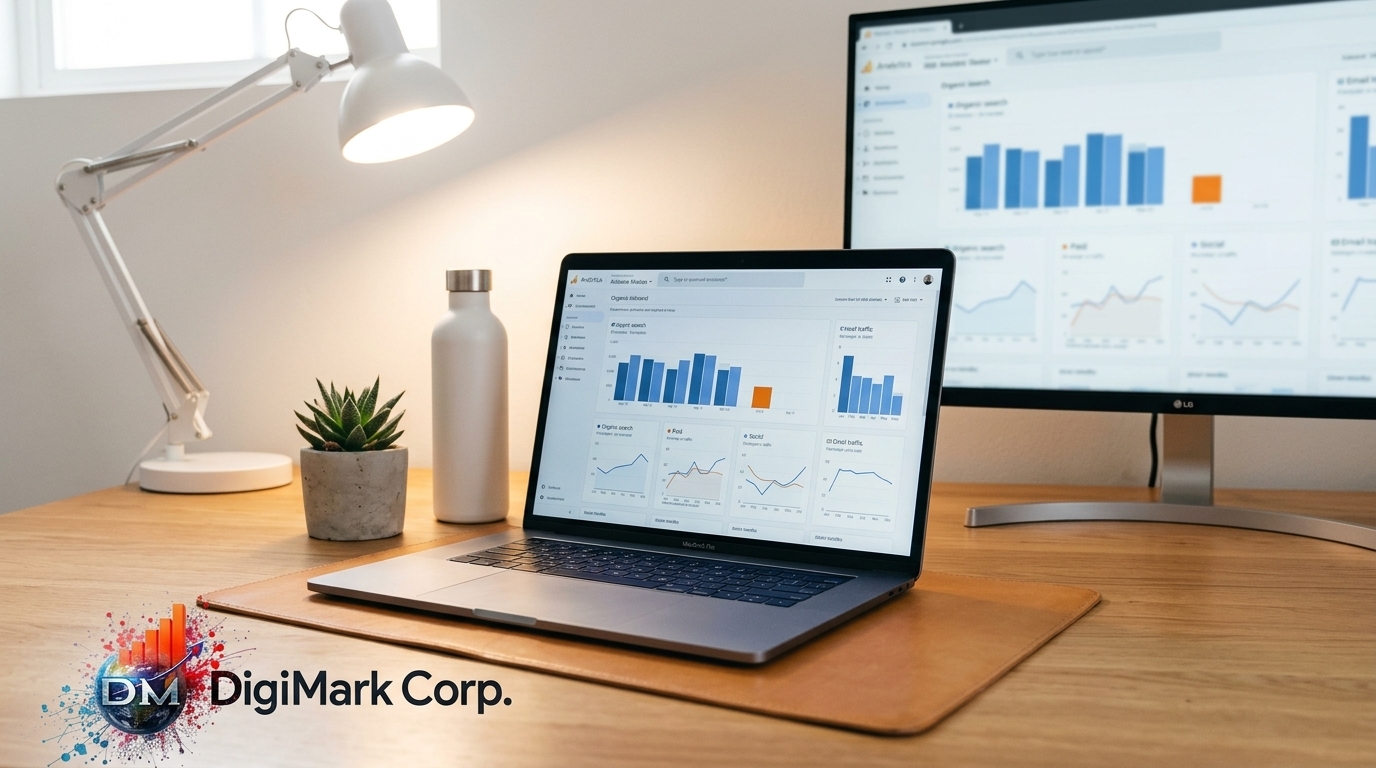
Setting up conversion tracking is essential for understanding your marketing impact. Without it, you’re guessing which efforts pay off. GA4 provides tools to track conversions effectively, offering a clear view of your successes.
Ensure your tracking is comprehensive. Cover all critical actions, from form submissions to purchases. This data reveals which tactics work best, guiding your future strategies.
UTM Tracking Standards
UTM tracking is critical for precise analytics. By tagging your links, you can see exactly where your traffic comes from. This clarity allows you to adjust campaigns based on performance.
Use standardized UTM tags across your campaigns. Consistency is key to accurate attribution. With this practice, you can confidently assess which channels deserve more attention and investment.
Real-Time Marketing Dashboards
Real-time dashboards transform your analytics. They provide immediate insights, allowing you to react swiftly to changes. This agility is crucial in today’s fast-paced market.
Set up dashboards that highlight key metrics. Focus on those that align with your business goals. With real-time data at your fingertips, you can make informed decisions that keep your marketing efforts on track.
Frequently Asked Questions
What is the difference between SEO and PPC?
SEO focuses on improving your organic search rankings, providing long-term growth. PPC offers immediate visibility through paid ads. Both are valuable, but they serve different strategic purposes.
How can I measure the quality of social media traffic?
Look at engagement metrics such as time on site and conversion rates. High engagement often indicates quality traffic that is more likely to convert.
Why is UTM tracking important?
UTM tracking provides clear insights into where your traffic comes from. By tagging your links, you can see which campaigns drive results, allowing for better budget allocation and strategy adjustments.

