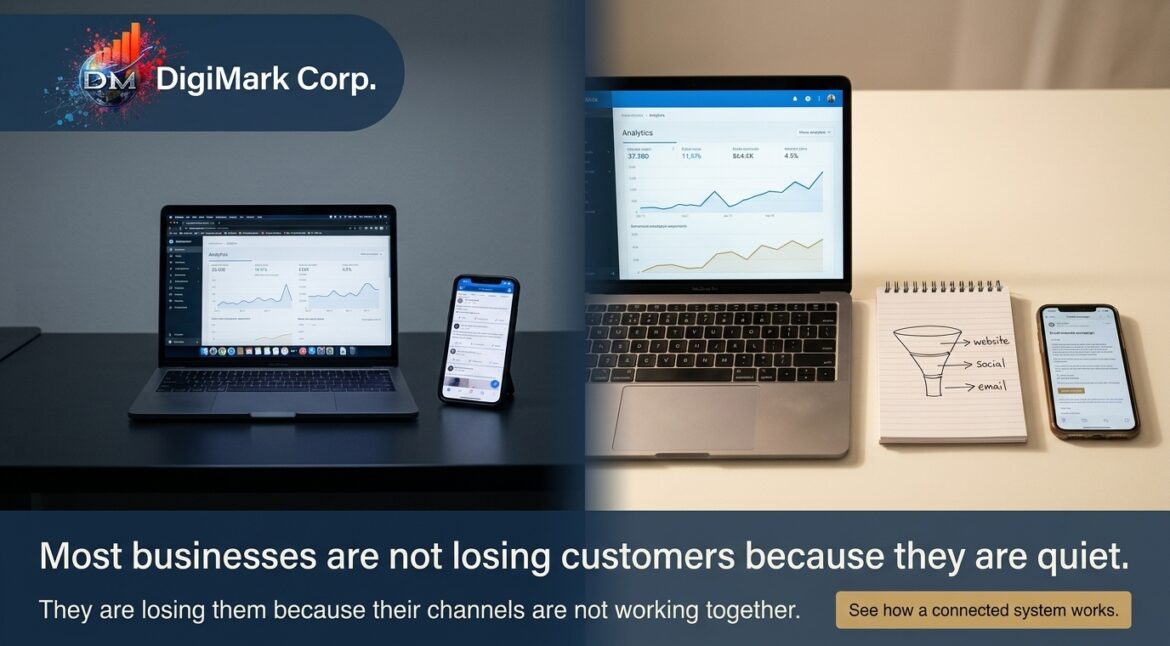
Posting more often won’t fix your customer drop-off. The real problem lies in how your marketing channels—your website, social media, and follow-up—fail to work as one connected marketing system. When these pieces don’t push prospects toward the same conversion path, attention slips away before it turns into revenue. Let’s show you how a coordinated approach can stop leaks and turn every touchpoint into measurable growth. For more insights, check out this guide on integrating social media into your digital marketing strategy.
Reframing Growth Beliefs
When trying to boost growth, the first thought is often to post more. But is posting more really the answer, or does the problem lie elsewhere?
Common Misconception: More Posts, More Growth
Many believe that the key to more growth is simply more posts. The idea seems logical: more content, more attention. Yet, this often leads to burnout with little to show for it. Instead of spinning wheels on more posts, consider the bigger picture. The real issue might not be quantity but quality—how well your channels communicate and push toward a unified goal.
Why Channels Disconnect
Channel disconnection happens when your website, social media, and follow-up aren’t talking to each other. Imagine each channel as a band member. If they’re not playing the same tune, the result is noise, not music. This lack of harmony means potential customers might visit your site, see a post, but then lose interest because there’s no clear next step. The problem isn’t about being quiet; it’s about being disjointed.
Turning Attention Into Action
Here’s the key insight: To turn attention into action, every channel must lead to the next logical step. If someone engages with your social post, your website should reinforce and expand that message. From there, follow-up must nurture the interest until it matures into a sale. When these components work together, you create a seamless journey for your customers, turning curiosity into commitment. For more on building a cohesive strategy, explore this detailed overview.
Building a Connected System
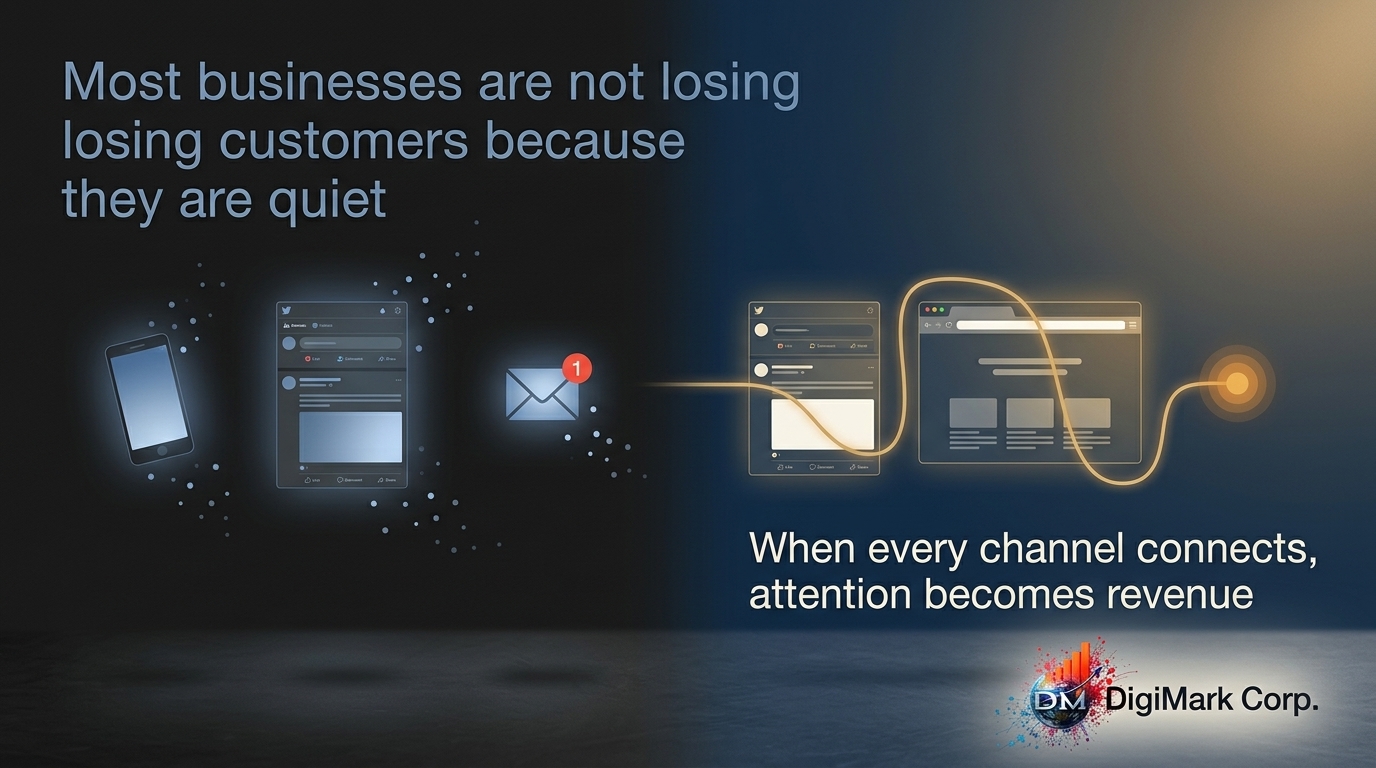
Understanding how to connect your marketing channels can transform how you reach and convert customers. It’s about creating synergy between your website, social media, and follow-up processes.
Website and Social Media Synergy
Your website and social media need to complement each other. Think of your website as the home base—solid, informative, and tailored to convert visitors. Social media acts as the bridge, guiding people there. When they interact with your posts, they’re already halfway to your door. Ensure links are clear and engaging. The website should reflect what social suggests, creating a cohesive message. This synergy means users experience a smooth transition, boosting trust and interaction.
Follow-Up Automation Essentials
Once the visitor leaves your site, don’t let them disappear. Follow-up is crucial. Use automated systems to keep the conversation going. Personalized emails or messages based on previous engagement can re-capture fleeting attention. Automation ensures timely and relevant follow-ups without constant manual input. This approach keeps prospects warm and considers them at every stage. Plus, it frees your team to focus on strategy rather than repetitive tasks.
Tracking and Attribution Insights
To truly understand your marketing’s impact, tracking and attribution are essential. Knowing where your leads come from and what actions they take helps refine your strategy. Implementing tools like UTM tracking provides insights into which channels drive conversions. Multi-channel attribution gives a clearer picture of the customer journey, showing how different touchpoints contribute to the end goal. This data helps optimize efforts, ensuring each channel pulls its weight in the conversion path. For more on tracking, see this guide to multi-channel attribution.
Driving Business Success
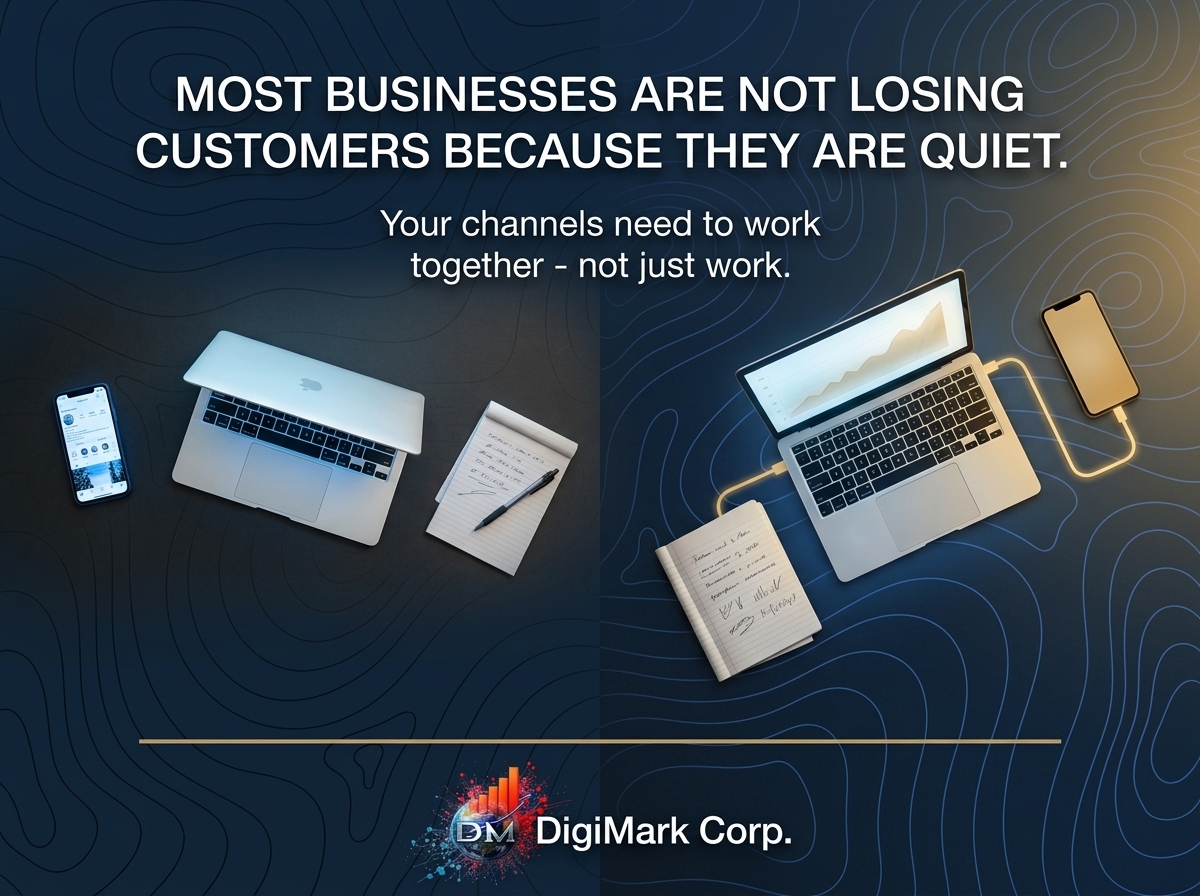
With a connected system in place, focus shifts to refining processes that directly impact business success. This involves optimizing paths to conversion and nurturing leads effectively.
Conversion Path Optimization Strategies
Optimizing your conversion path means identifying and removing roadblocks that prevent prospects from becoming customers. Start by analyzing your website’s user journey. Are there unnecessary steps? Is your call to action clear and compelling? Streamlining these elements makes it easier for visitors to engage and convert. Consistent testing and tweaks can lead to significant improvements in conversion rates over time.
Lead Capture and Nurturing Tactics
Capturing leads is just the start. Nurturing them requires a strategy that balances automation with personalization. Use forms, gated content, or offers to gather lead information. Then, segment these leads based on behavior and interests. Tailored communications, like targeted emails or SMS, keep prospects engaged and moving through the funnel. A well-nurtured lead is more likely to convert into a loyal customer.
Independence Day Marketing Offer
Consider launching an Independence Day campaign to leverage seasonal interest. Offer special promotions or limited-time content that aligns with this theme. This creates urgency and captures attention during a period when consumers are particularly receptive to seasonal offers. A well-timed campaign can enhance your brand’s visibility and drive conversions, taking full advantage of the connected system you’ve built.
Frequently Asked Questions
How can I create synergy between my website and social media?
To create synergy, ensure that your website and social media profiles reflect a consistent message and design. Use social media to direct users to specific landing pages on your website that further the conversation started on your social platforms.
What is the importance of follow-up automation?
Follow-up automation keeps your brand top-of-mind without constant manual effort. By automatically sending personalized emails or messages, you maintain engagement and guide prospects through the conversion funnel.
How do I track the effectiveness of my marketing channels?
Use UTM tracking to monitor where your website traffic originates. Multi-channel attribution helps you see how various touchpoints contribute to conversions, providing insights into your most effective marketing strategies.