
Most small businesses think any e-commerce platform will do as long as the site looks good. That’s a costly mistake. Your platform should be the hub that connects SEO, PPC, social, and email into one clear path to sales. We’ll show you why the best e-commerce platform for small business is the one built for integrated marketing and measurable growth. Check out this list of affordable e-commerce platforms for small businesses.
For businesses aiming to enhance their online presence, it’s vital to understand the role of effective Ecommerce Website Design. This is not about guessing which channels work; it’s about building a cohesive strategy that encompasses everything from search engines to social media. Our strategy-first format emphasizes the importance of an integrated approach, as outlined in our guide on how to build one ecommerce growth roadmap.
To achieve consistent revenue from your online store, consider the insights from our integrated checklist for WooCommerce success. By focusing on a platform that supports clean tracking and conversion-focused strategies, small businesses can leverage these systems for measurable growth.
Build Your E-commerce Hub
Setting up an e-commerce platform isn’t just about looking good. It’s about making sure all your marketing channels work together for growth. Let’s dig into how your platform can be the key to unlocking a successful integrated strategy.
Integrate SEO for Growth
To start, SEO is vital for your e-commerce platform. It’s not just about getting noticed online; it’s about driving the right kind of traffic to your site. By focusing on keywords relevant to your audience, you can attract visitors who are more likely to convert. For small businesses, using SEO strategically can mean the difference between being buried in search results and being front and center.
When selecting an e-commerce platform, ensure it offers robust SEO tools. This includes options for meta tags, alt text for images, and a clean URL structure. Platforms like Shopify and WooCommerce provide these features, making them popular choices. Remember, SEO is a marathon, not a sprint. It requires consistent effort but pays off with increased visibility and growth.
PPC and Social Synergy
Next, consider how PPC and social media can work together. PPC advertising offers immediate visibility, driving traffic quickly to your site. Meanwhile, social media builds brand loyalty and engagement. Together, they form a powerful duo. A well-integrated platform will allow you to manage both seamlessly, ensuring that your campaigns complement each other.
Platforms that support integration with Google Ads and Facebook Ads can simplify this process. This integration helps in creating campaigns that target the same audience across different channels. Such synergy ensures that your marketing efforts are cohesive and more effective, ultimately boosting your overall sales and brand presence.
Email as a Key Connector
Don’t underestimate the power of email. It remains one of the most effective channels for nurturing leads and driving repeat business. A platform that integrates with email marketing tools can automate follow-ups and personalize communication, enhancing customer relationships.
Look for platforms that offer built-in email marketing or easy integrations with services like Mailchimp. This allows you to send targeted campaigns based on customer behavior, such as abandoned cart emails or personalized offers. Email is a personal channel, and when done right, it can significantly increase your conversion rates.
Choosing the Right Platform
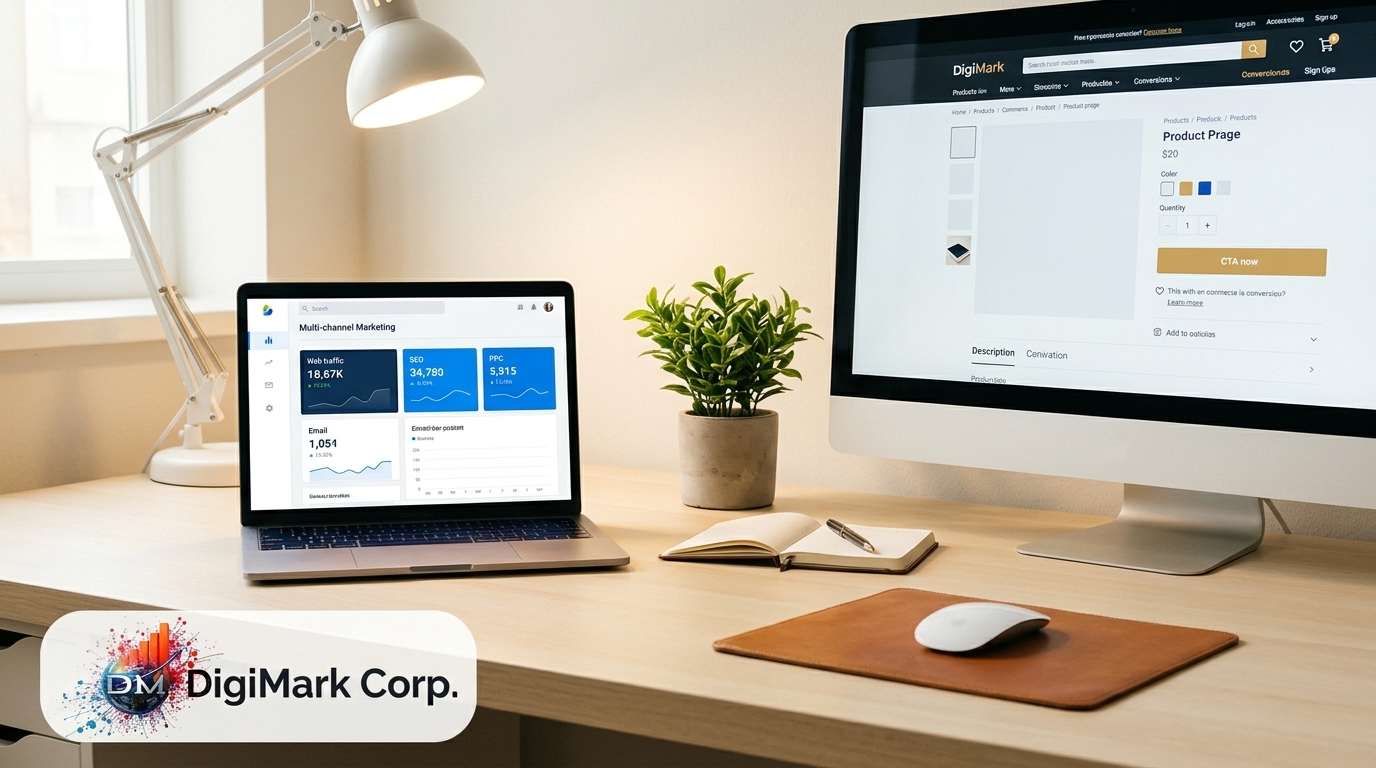
Now that we’ve discussed the importance of integration, how do you choose the right platform? It’s not just about features; it’s about finding a platform that aligns with your business goals and growth strategy.
Shopify vs WooCommerce for SMB
When deciding between Shopify and WooCommerce, consider your specific needs. Shopify is known for its ease of use and all-in-one capabilities. It’s a great choice for businesses that prefer a hassle-free setup with plenty of support. Shopify offers various apps to bolster your store’s functionality, like SEO tools and email marketing integrations.
On the other hand, WooCommerce is ideal for those who want more customization. It’s a plugin for WordPress, which means you have complete control over your site’s design and functionality. WooCommerce is also highly scalable, making it a good fit if you anticipate growing your business rapidly. The best e-commerce platform for a small business should align with your current needs while accommodating future growth.
BigCommerce for Small Business
BigCommerce is another solid option, especially for small businesses looking at scalability and built-in features. It offers robust SEO tools, a variety of payment gateway options, and multi-channel selling capabilities. This makes it a strong contender for businesses that want a comprehensive e-commerce solution without relying heavily on third-party apps.
Additionally, BigCommerce’s ability to support multiple currencies and languages is a plus for businesses looking to expand globally. It’s designed to grow with your business, providing the tools needed to manage increased traffic and sales effectively.
Best E-commerce Platform 2026
Choosing the best e-commerce platform is about looking ahead. As technology evolves, platforms will continue to innovate. The best platforms in 2026 will likely focus on enhanced integration capabilities, AI-driven analytics, and improved user experiences. It’s crucial to choose a platform today that’s positioned to adapt to these changes, ensuring your business remains competitive.
Mastering Conversion Tracking
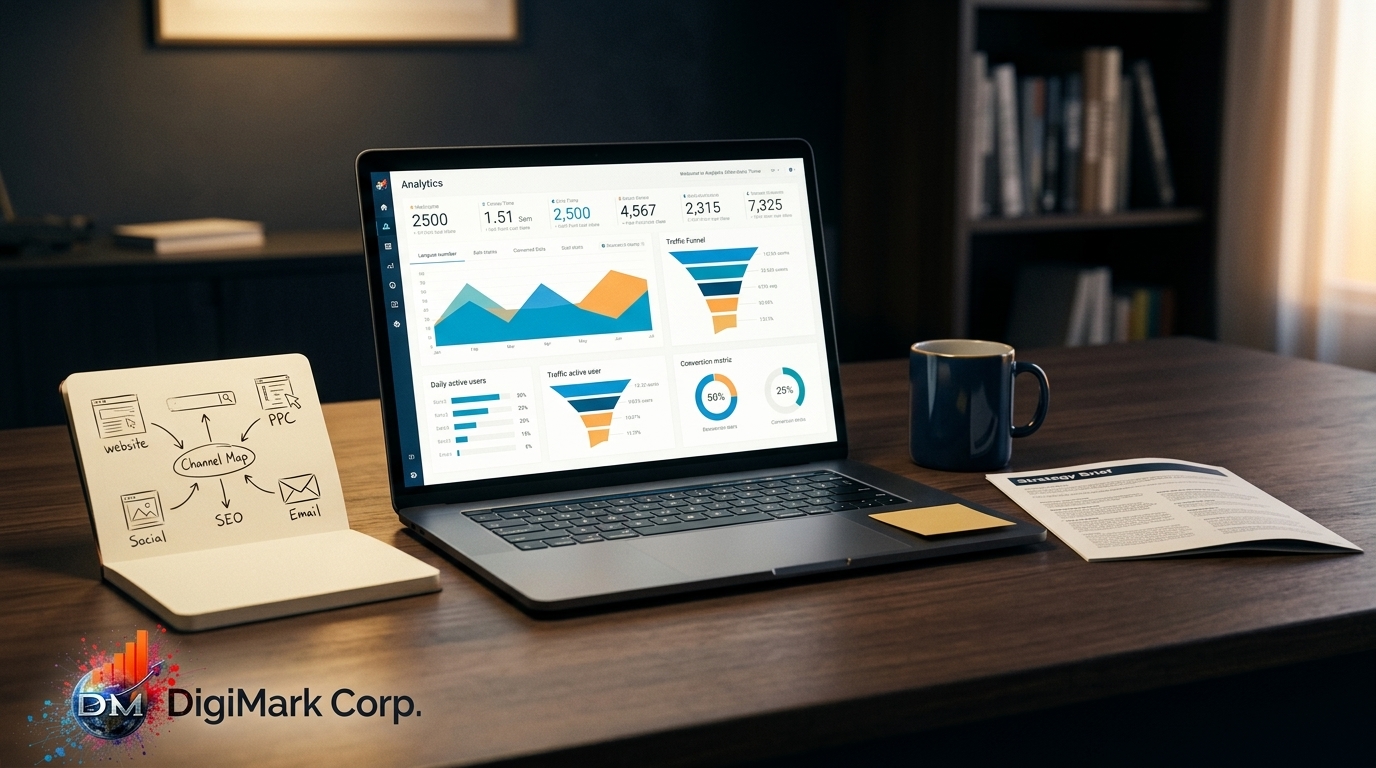
Conversion tracking is the backbone of understanding how well your e-commerce strategies are working. Let’s explore how you can master this critical aspect.
GA4 and Server-Side Tracking
Google Analytics 4 (GA4) offers powerful insights into user behavior, but it’s essential to set it up correctly. GA4 provides detailed data that helps you understand where your traffic is coming from, which pages are performing well, and what needs improvement. It’s a tool that can guide your SEO, PPC, and overall marketing strategy.
Server-side tracking is another important factor. Unlike traditional client-side tracking, server-side tracking is more reliable and secure. It helps in accurately capturing events on your site, improving data quality and ensuring better decision-making. Platforms that support server-side tracking will keep you ahead in the game.
CRM and Email Automation
Integrating CRM with your e-commerce platform can streamline customer management. CRM systems help in maintaining customer data, tracking interactions, and automating follow-ups. This integration supports personalized marketing efforts and enhances customer experience.
Email automation plays a crucial role here. By automating your email campaigns, you can send timely and relevant messages to your audience. This not only saves time but also increases the effectiveness of your marketing efforts. Platforms that offer seamless CRM and email automation integration can significantly boost your marketing ROI.
Multi-Channel Attribution
Finally, understanding multi-channel attribution is key to refining your marketing efforts. It’s about knowing which channels contribute to conversions and how much. This insight allows you to allocate your marketing budget more effectively, maximizing your ROI.
Look for platforms that offer comprehensive attribution models. These models will provide insights into the customer journey, helping you understand the impact of each channel. With this information, you can optimize your marketing strategy and focus on the channels that deliver the best results.
Frequently Asked Questions
What is the best e-commerce platform for small businesses?
The best platform depends on your business needs. Shopify offers ease of use and support, whereas WooCommerce provides more customization. BigCommerce is great for scalability and built-in features.
How can SEO benefit my e-commerce platform?
SEO drives organic traffic to your site, increasing visibility and potential sales. A platform with strong SEO tools can help optimize product pages, meta tags, and URLs to enhance search rankings.
Why is email integration important for e-commerce?
Email integration allows you to automate follow-ups and personalize communication, leading to better customer relationships and higher conversion rates. It’s a key tool for nurturing leads and driving repeat business.
What should I look for in a platform for effective PPC and social media integration?
Choose a platform that allows seamless integration with Google Ads and social media channels. This makes campaign management efficient and helps ensure your marketing efforts are cohesive across platforms.
How does conversion tracking improve e-commerce strategy?
Conversion tracking provides insights into which marketing channels are driving sales. It helps allocate budgets more effectively and refine strategies to focus on the most profitable channels.