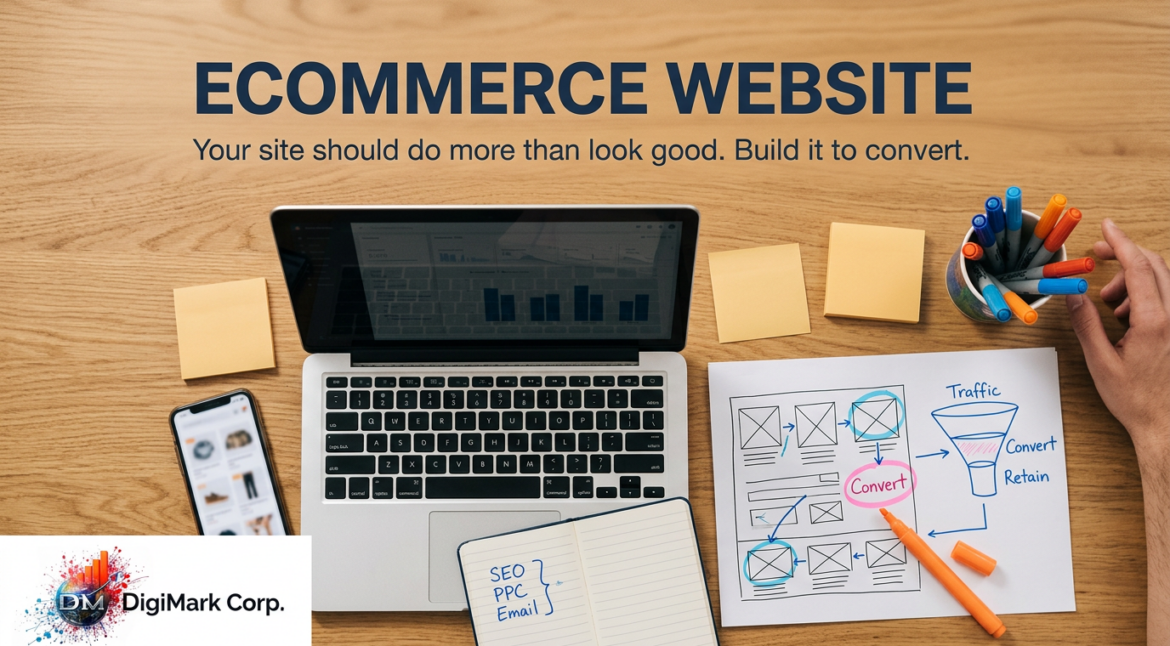
Your ecommerce website should do more than just look good on a screen. When summer slows down, most sites go quiet—but the ones built for integrated ecommerce marketing keep driving sales through connected SEO, PPC, content, and email campaigns. If your site feels like a brochure instead of a growth engine, it’s time to rethink how you convert traffic and track results. Keep reading to learn how an integrated system keeps your sales moving, even during the summer sales slowdown. Learn more about keeping your business momentum during the summer slowdown.
Rethinking Your Ecommerce Strategy
The summer slowdown is a chance to rethink your ecommerce strategy. By focusing on integration, you can transform your website from a static brochure into a dynamic growth engine. Let’s explore how this shift can happen.
Beyond the Brochure Mentality
Your website should do more than just display products. Think of it as a hub for driving sales. If it only serves as a digital catalog, you’re missing out on potential growth. Instead, integrate tools and strategies that actively work to convert visitors into customers. This approach not only sustains traffic but also boosts sales.
First, consider how your site engages visitors. Does it guide them towards making a purchase, or merely present information? Use clear calls to action and customer-focused layouts. By implementing conversion rate optimization (CRO) techniques, you ensure every visit has the potential to turn into a sale. Explore more about ecommerce website design that converts.
Leveraging Summer Slowdown for Growth
Summer can be a quiet period for sales, but it’s also a great time to prepare for future success. Use this time to refine and enhance your strategy. By focusing on improvements and integration, you can emerge stronger when the season picks up again.
Think of summer as a testing ground. Experiment with new marketing tactics like A/B testing or exploring new SEO strategies. Use this downtime to fine-tune your marketing channels, so they are ready for peak shopping seasons. The quiet months are a perfect opportunity to conduct research and gather insights on what works best for your business.
Building a Growth-Centric Website
A growth-centric website is built on integration. Every component should work together to drive sales. This means connecting SEO, PPC, content, and email marketing into one cohesive system. By doing so, your website becomes more than just a storefront—it’s a comprehensive sales tool.
Start by analyzing how each channel contributes to your overall goals. Ensure your SEO efforts are aligned with PPC campaigns to maximize visibility. Content marketing should support these efforts by providing valuable information that leads to conversions. Email automation can nurture leads and drive repeat purchases. Learn how to stop guessing channels and build an ecommerce growth roadmap.
Core Elements of an Integrated System
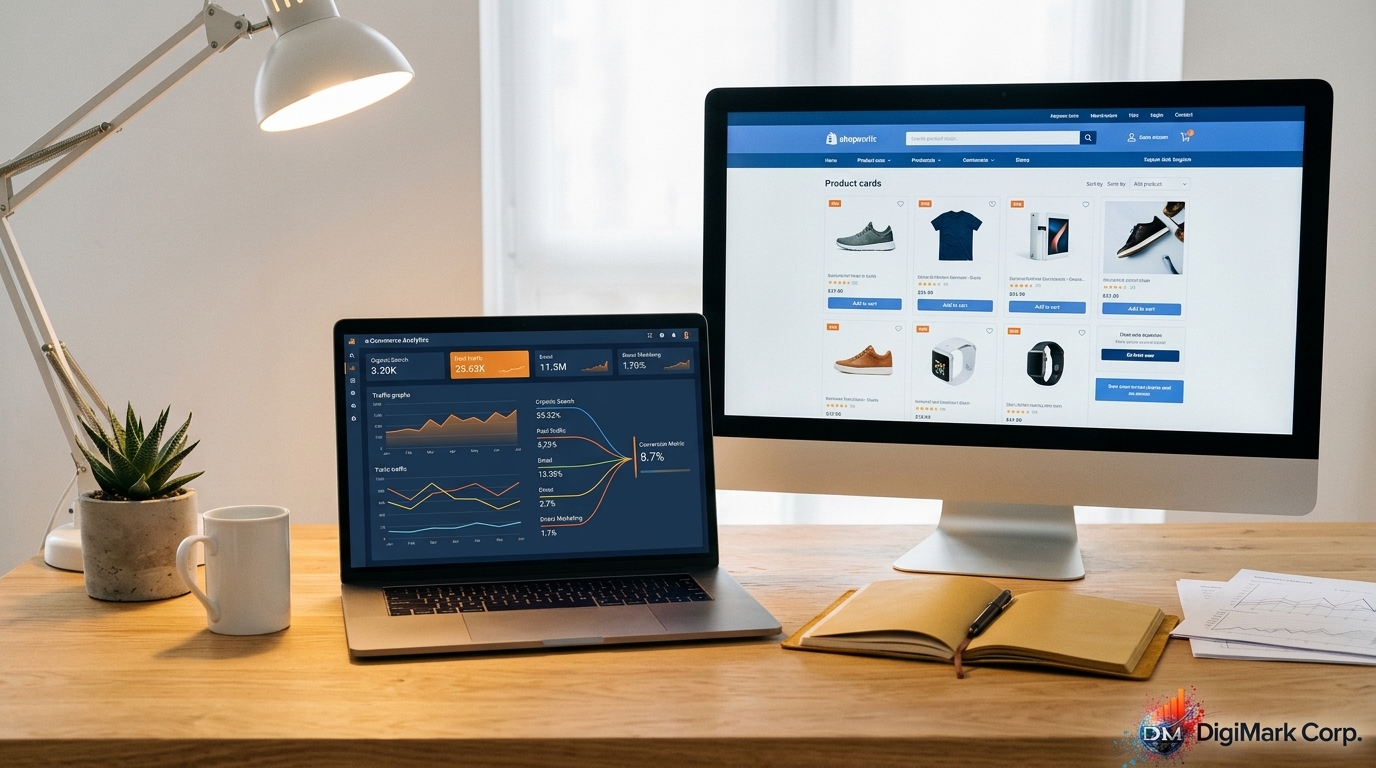
An integrated system is essential for ecommerce success. It combines various strategies into a seamless experience for your customers. Let’s discuss some core elements that make this possible.
Conversion Rate Optimization Techniques
Optimizing your conversion rate is crucial for turning visitors into customers. CRO involves testing and refining elements on your site. Begin by analyzing user behavior to identify barriers to conversion. Are visitors dropping off at the checkout? Perhaps the process is too complicated.
Simplify forms, improve load times, and ensure your site is mobile-friendly. Use clear, compelling calls to action. Implementing these changes increases the likelihood that visitors will complete a purchase. By continually testing and refining, you can maintain high conversion rates.
SEO and PPC Synergy
SEO and PPC should work together to maximize your site’s visibility. When combined, they enhance each other’s effectiveness. Use SEO to improve organic rankings and drive long-term traffic. Meanwhile, PPC provides immediate visibility and attracts high-quality leads.
Ensure your keywords align across both channels. This unified approach not only boosts visibility but also reinforces brand consistency. By leveraging the strengths of both strategies, you create a comprehensive marketing plan that drives growth.
The Role of Content and Email Automation
Content and email automation are vital for engaging and nurturing customers. They provide value and keep your brand top of mind. Use content marketing to educate and inform your audience. Create blog posts, videos, and guides that address their needs and interests.
Email automation allows you to nurture leads through targeted campaigns. Send personalized messages based on user behavior and preferences. This approach builds relationships and encourages repeat business. Together, content and email automation drive engagement and conversions.
Measuring Success with Data
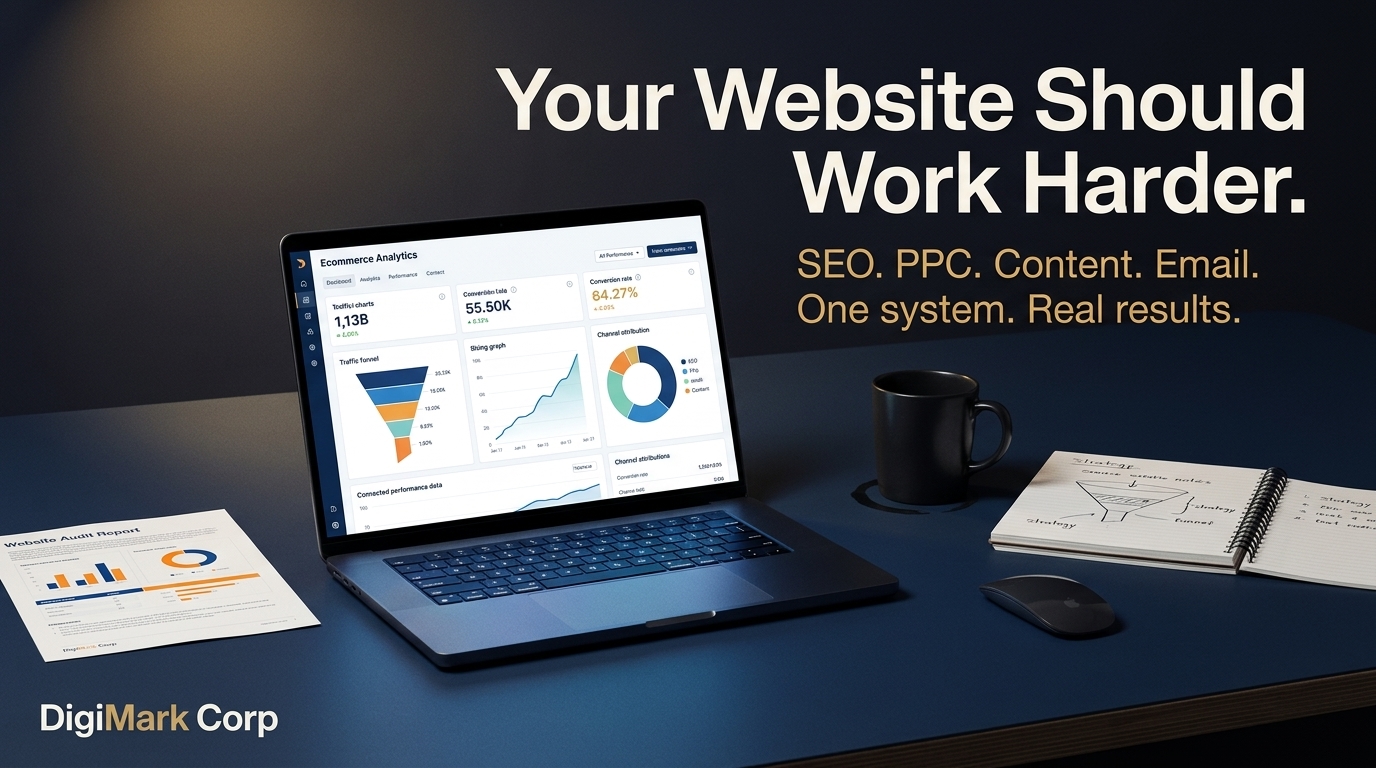
Data measurement is key to understanding your website’s performance. By tracking the right metrics, you can make informed decisions that drive growth.
Importance of Conversion Tracking
Conversion tracking helps you understand how visitors interact with your site. It reveals what drives sales and what doesn’t. Set up tracking for key actions, such as purchases, sign-ups, and downloads. Analyze this data to identify successful strategies and areas for improvement.
Knowing which pages convert best allows you to replicate success across your site. This data-driven approach ensures your efforts are focused on what truly works.
Real-Time Performance Dashboards
Real-time dashboards provide instant insights into your site’s performance. They allow you to monitor key metrics at a glance. Track traffic, conversions, and revenue in real time. This immediate feedback helps you make quick adjustments to your strategy.
Having access to real-time data reduces uncertainty and allows for agile decision-making. It ensures your marketing efforts are aligned with business goals.
Mapping the Path to Purchase
Understanding the path to purchase is essential for optimizing conversions. Map out the customer journey to identify touchpoints and obstacles. Determine where customers enter your site and the steps they take before making a purchase.
Use this information to streamline the buying process and remove barriers. Ensure each step is aligned with your overall strategy. By mapping the path to purchase, you can create a seamless experience that encourages sales.
Frequently Asked Questions
What is conversion rate optimization (CRO)?
Conversion rate optimization (CRO) is the process of improving your website to increase the percentage of visitors who complete desired actions, like making a purchase. It involves testing elements like design, copy, and user experience.
How do SEO and PPC work together?
SEO and PPC work together by enhancing your site’s visibility. SEO improves organic rankings, while PPC provides immediate exposure through paid ads. Together, they create a comprehensive strategy that boosts traffic and conversions.
Why is email automation important for ecommerce?
Email automation is important because it allows you to send personalized, timely messages to leads and customers. Automation nurtures relationships, encourages repeat business, and increases conversions by delivering relevant content based on user behavior.
How can I use data to improve my ecommerce website?
Using data involves tracking key metrics like traffic, conversions, and revenue. Analyzing this data helps you understand what drives sales and where improvements are needed. Making data-driven decisions ensures your website remains effective and competitive.
By implementing these strategies, you can turn your ecommerce website into a powerful growth engine. While others slow down during summer, you’ll continue to drive sales and build a stronger business.