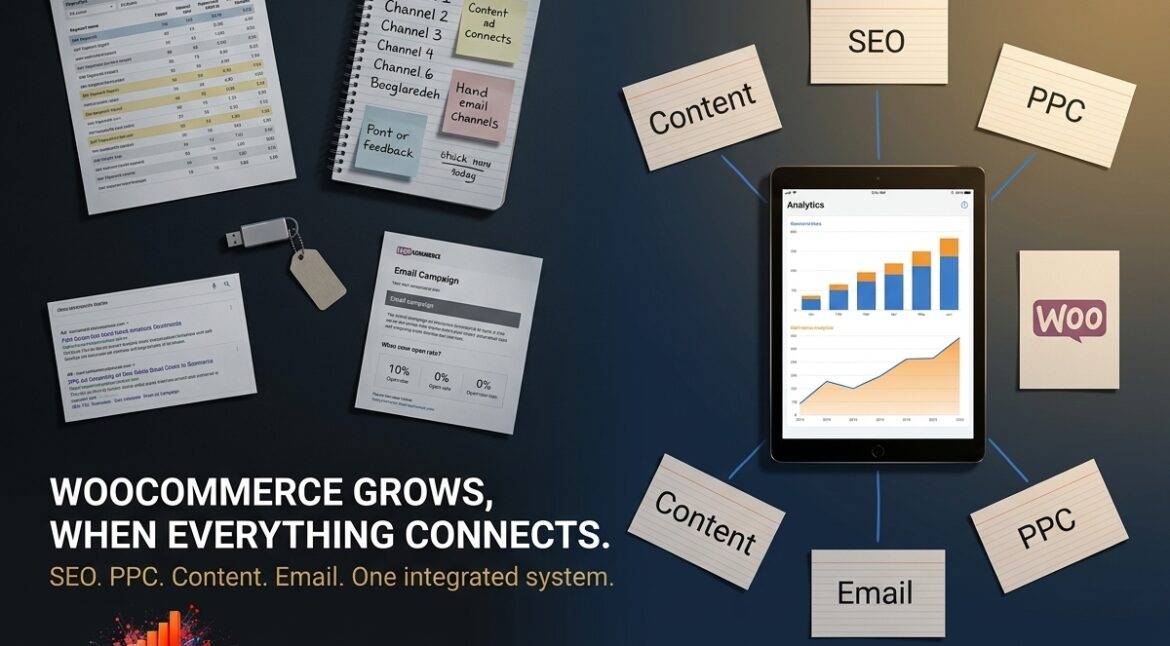
Most WooCommerce stores stall not because the platform lacks power but because their marketing channels run in isolation. Your store’s growth isn’t about the plugin itself—it’s about weaving SEO, PPC, content, email, and conversion-focused design into one system that drives predictable revenue. In this post, you’ll get a clear checklist to connect every piece, so your WooCommerce growth system delivers measurable results all year round. Learn more about scalable ecommerce with WooCommerce.
WooCommerce as a System Challenge
The real challenge with WooCommerce isn’t the platform itself; it’s about integrating each part of your marketing strategy into a cohesive system. Let’s explore how to unite these elements for success.
Integrating Traffic Channels
Getting traffic to your WooCommerce store is crucial. You need to blend SEO and PPC to create a steady stream of visitors. SEO helps you attract organic traffic, while PPC offers a way to gain immediate visibility. For example, using Google Shopping for WooCommerce can boost your reach and drive qualified buyers to your store. The goal is to merge these channels so they work in tandem, not in isolation.
Ensuring Cohesive Product Pages
Product pages are vital in converting visitors into buyers. You should focus on product page optimization to ensure every detail speaks to your customer. Consider aspects like clear descriptions, high-quality images, and compelling calls-to-action. This creates an environment where customers feel confident to make a purchase. Consistent messaging and design across pages reinforce trust and increase conversions.
Coordinated Follow-Up Campaigns
After attracting visitors and optimizing product pages, the next step is to nurture these leads. Effective follow-up campaigns often involve strategic email automation for WooCommerce. Automated emails can remind customers of abandoned carts or introduce them to related products. This consistent engagement keeps your brand top-of-mind and encourages repeat purchases. The key is to create a seamless experience that feels personal and relevant.
Practical Integration Checklist
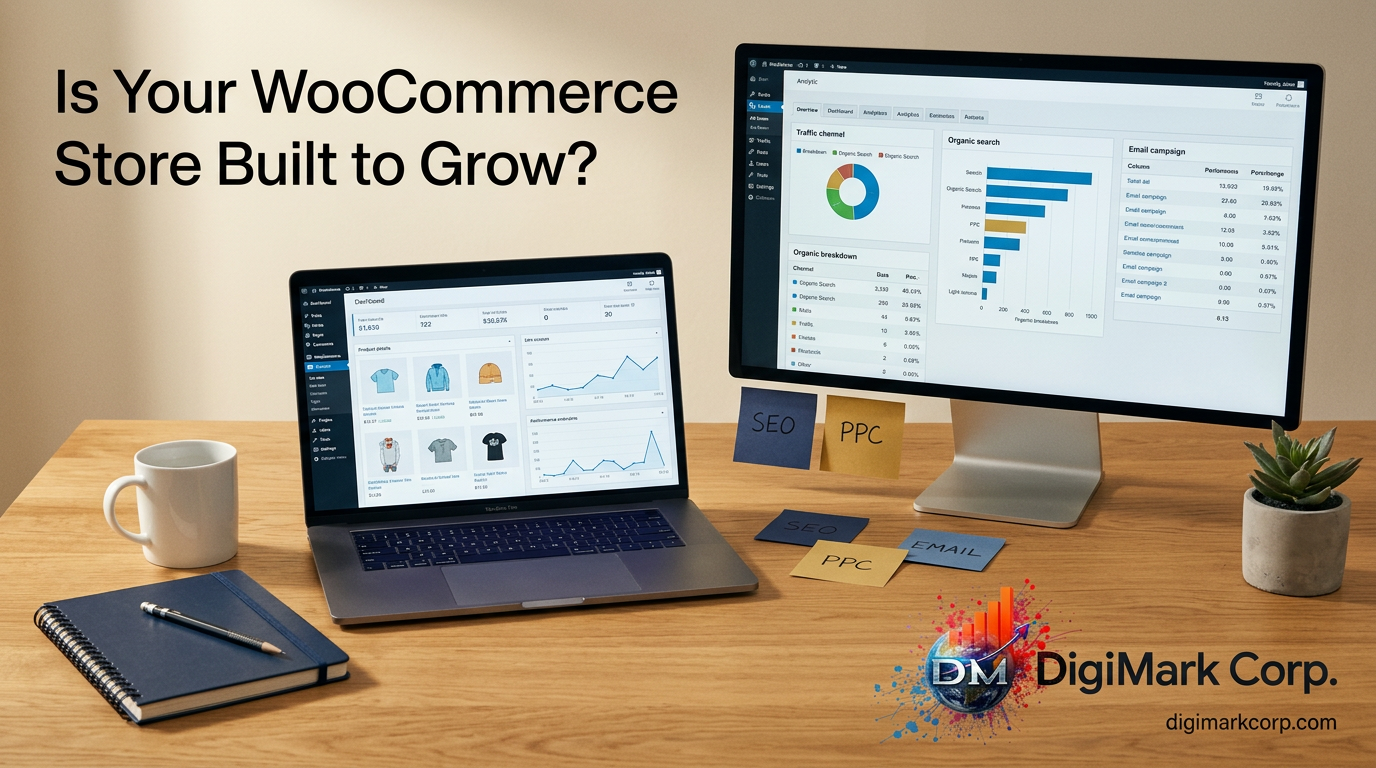
Creating a cohesive WooCommerce growth system requires a practical approach. Here’s a checklist to guide your integration efforts.
Connecting SEO and PPC Efforts
Uniting SEO and PPC efforts creates a powerful synergy. Start by using SEO to establish a strong organic presence. Then, complement it with targeted PPC ads to capture immediate interest. Analyze which keywords perform best organically and leverage those insights in your PPC strategy. This alignment ensures your marketing spend is efficient and effective, driving both short-term and long-term results.
Effective Email Automation Strategies
Email remains a powerful tool for engagement. Set up email sequences that address customer needs at different stages. For instance, welcome emails for new subscribers or re-engagement emails for inactive customers. Tools like Mailchimp can automate these processes, saving you time while improving ecommerce conversion rate optimization. The secret is personalization; tailor messages to customer behavior and preferences.
Conversion-Focused Web Design Tactics
Your website’s design plays a critical role in conversion. A conversion-focused web design means every element—from navigation to checkout—is optimized for ease of use. Clear pathways and minimal distractions help visitors find what they need quickly. Regularly test design elements to see what converts best, and use this data to refine your strategy. For an in-depth guide, check out Ecommerce Website Design That Converts.
Achieving Predictable Revenue
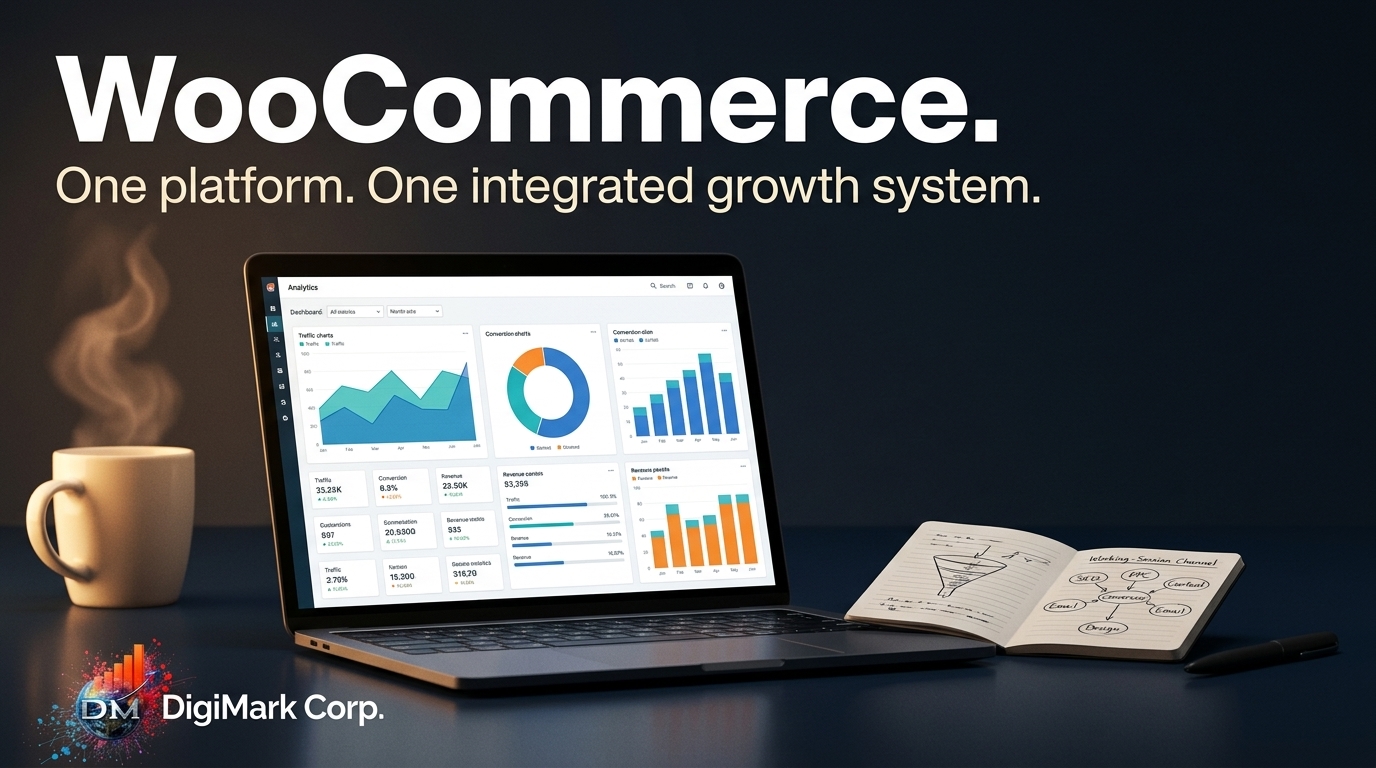
Integrating your WooCommerce store’s marketing efforts paves the way to consistent revenue. Here’s how to achieve it.
Leveraging Multi-Channel Attribution
Understanding which channels contribute to conversions is vital. Multi-channel attribution helps you see how different touchpoints impact the customer journey. This insight allows you to allocate resources effectively, focusing on channels that yield the highest returns. By viewing your marketing as an integrated system, you can optimize for predictable revenue growth.
Building a Marketing Performance Dashboard
A marketing performance dashboard provides real-time insights into your store’s performance. Track metrics like traffic sources, conversion rates, and customer acquisition costs. This transparency helps you adjust strategies quickly, ensuring your marketing efforts remain aligned with business goals. For more, learn how to track your ecommerce growth in real-time.
Preparing for Summer Slowdown Marketing
Summer can bring a dip in sales, but preparation can mitigate this. Develop campaigns that address seasonal trends and customer needs. Consider offering promotions or exclusive products during slower months. By planning ahead, you ensure your marketing efforts continue driving revenue, even when consumer spending typically slows.
Frequently Asked Questions
What makes WooCommerce a good choice for ecommerce?
WooCommerce is flexible and customizable, making it ideal for businesses of all sizes. Its open-source nature allows for tailored solutions that can adapt as your business grows.
How can I improve my WooCommerce store’s conversion rate?
Focus on optimizing product pages, ensuring fast load times, and creating a seamless checkout process. Implementing A/B tests can also help identify what changes boost conversions.
What is the role of email automation in WooCommerce success?
Email automation helps maintain customer engagement by sending timely and relevant messages. This keeps your brand top-of-mind and encourages repeat purchases, contributing to steady sales growth.
Why is multi-channel attribution important?
It provides insights into how different marketing channels contribute to your sales funnel, allowing you to allocate resources effectively and improve overall marketing performance.
How can I prepare my WooCommerce store for seasonal slowdowns?
Develop marketing strategies that align with seasonal trends. Consider offering special promotions or creating campaigns that target customers during these periods to maintain steady revenue.