Many “affordable website design” options miss the mark by focusing only on price. You need more than a cheap site—you need one built to convert visitors, support SEO, and fit into your marketing plan for steady growth. After 20 years in digital marketing, we’ve seen budget sites fail because they work alone, not as part of a bigger strategy. Here’s what affordable really means and how smart design protects your investment long term. Learn more about effective website design strategies here.
Affordable Website Design Essentials
Conversion-Focused Design Strategies
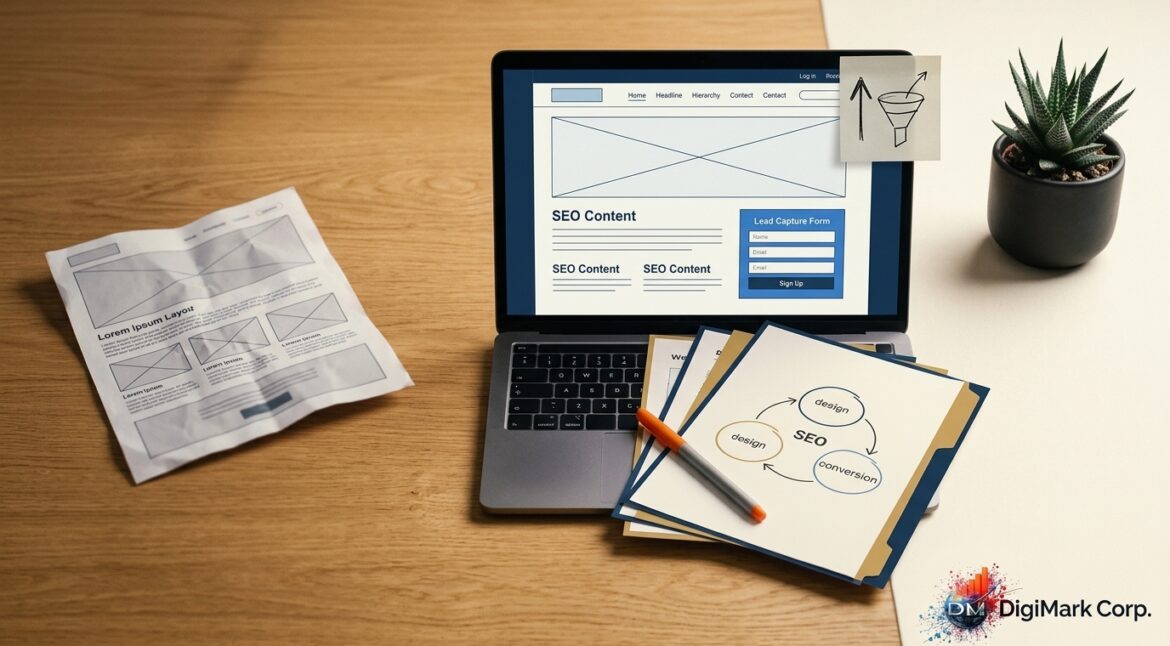
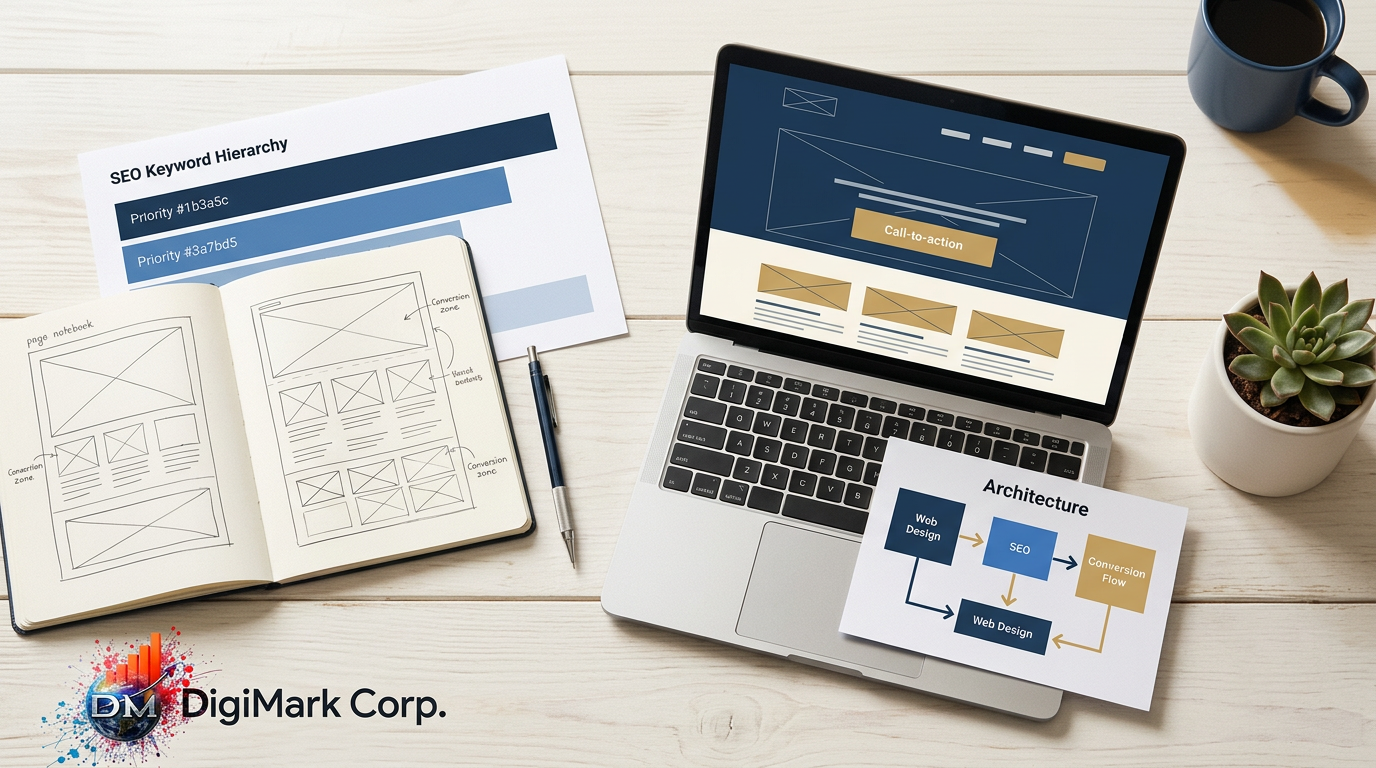
A website isn’t just about looks; it’s about turning visitors into customers. This is where conversion-focused design shines. It involves crafting each element of your site to guide users toward a goal, whether it’s making a purchase or signing up for a newsletter. Use clear calls to action, strategically placed buttons, and engaging visuals to draw attention. Be sure to establish trust with testimonials and easy-to-find contact information. When your site is built to convert, you see more than just visits; you see results.
SEO Foundations for Visibility
Visibility in search engines is crucial for attracting new customers. To achieve this, your website needs strong SEO foundations. Start by researching the keywords your audience uses. Integrate these terms naturally across your site, from headings to meta descriptions. Ensure that your site structure is logical, with concise URLs and a clear hierarchy. Don’t overlook image alt texts and sitemap submissions. By laying these groundwork elements, you prepare your site to climb search rankings and draw in more organic traffic.
Scalable Architecture for Growth
Your business won’t stay the same size forever, and neither should your website. A scalable architecture allows your site to grow alongside your business. This means choosing a platform and design that accommodates expansion, whether through adding more products or new features like e-commerce. Modular designs and flexible templates can ease transitions. Plan for traffic spikes with reliable hosting. When your site scales with ease, it saves you time and resources in the long run.
Building a Lead Generation Website
WordPress and Shopify Design
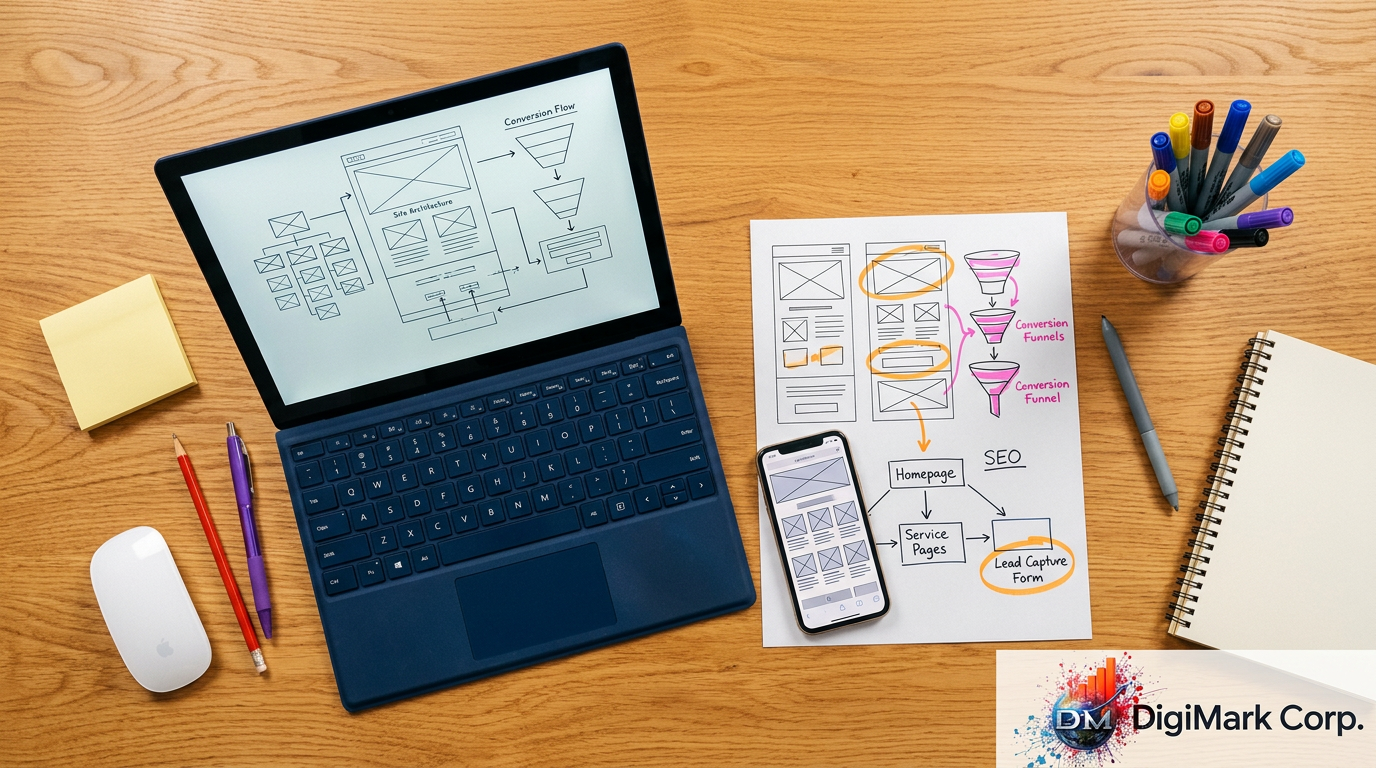
WordPress and Shopify are powerful allies in building a lead generation site. With WordPress, you can customize to your heart’s content, using plugins to capture leads and enhance SEO. Shopify, on the other hand, offers a seamless e-commerce experience with built-in tools to track sales and customer behavior. Both platforms provide templates that are mobile-responsive and user-friendly. Selecting the right platform depends on your business needs, but both ensure you can attract and convert leads efficiently.
Mobile-First Design Principles
In today’s digital age, mobile-first design is non-negotiable. Most of your audience will likely visit your site from a mobile device. Ensure your website loads quickly and displays properly on smaller screens. Use larger fonts, accessible navigation, and minimalistic design to enhance mobile user experience. Touch-friendly buttons replace clicks, and images should be optimized for speed. A mobile-friendly site keeps visitors engaged and reduces bounce rates, directly impacting lead generation.
Integrating CRM and GA4 Setup
Setting up a CRM system and integrating Google Analytics 4 is essential for tracking leads. A CRM helps you manage interactions with current and potential customers, storing valuable information that can enhance sales efforts. Google Analytics 4 offers insights into user behavior, helping you understand what works and what doesn’t. Together, these tools provide a comprehensive view of your marketing efforts, allowing for data-driven decisions that improve lead generation strategies.
Technical SEO and Performance
Page Speed Optimization Techniques
Fast page loading is vital for both user satisfaction and search rankings. Optimize speed by compressing images, minimizing code, and leveraging browser caching. Tools like Google PageSpeed Insights can identify problem areas. A faster site not only improves user experience but also boosts your SEO, as search engines favor quick-loading pages. Remember, every second counts when it comes to keeping visitors on your site.
UX Design for Conversions
User experience (UX) goes hand-in-hand with conversions. A well-designed site guides users smoothly through their journey, reducing friction at each step. Ensure navigation is intuitive and pages are clutter-free. Use whitespace strategically to draw focus to important elements. Test different layouts and flows to see what yields the best results. Good UX design keeps visitors engaged and encourages them to take action, driving up conversion rates.
Content-Led SEO and Local SEO
Content is king, especially when it comes to SEO. Create valuable, relevant content that addresses your audience’s needs. Use keywords naturally within the content, and aim for length that fully covers the topic. Local SEO is equally crucial; optimize your site for local searches by claiming your business listings and encouraging customer reviews. Use location-based keywords to attract nearby customers. With a strong content and local SEO strategy, your site will not only rank better but also attract the right audience.
Frequently Asked Questions
What is conversion-focused web design?
Conversion-focused web design prioritizes elements that encourage site visitors to take specific actions, such as purchasing a product or signing up for a newsletter. It utilizes clear calls to action, engaging visuals, and a user-friendly layout to increase conversion rates.
How does SEO benefit my website?
SEO improves your website’s visibility on search engines, making it easier for potential customers to find you. It involves optimizing various elements of your site, such as content and structure, to improve search rankings and increase organic traffic.
Why is mobile-first design important?
Mobile-first design ensures that your website performs well on mobile devices, which is crucial as more users access sites via smartphones and tablets. It focuses on speed, readability, and ease of navigation, enhancing the overall user experience.
What is the role of CRM in lead generation?
CRM systems manage and analyze customer interactions and data, helping businesses understand and nurture their leads. They provide valuable insights into customer preferences and behavior, allowing for more personalized marketing strategies.
How can page speed affect my website’s performance?
Page speed impacts both user experience and SEO. Slow-loading sites can frustrate users, leading to higher bounce rates. Additionally, search engines like Google use page speed as a ranking factor, so faster sites are more likely to rank higher in search results.