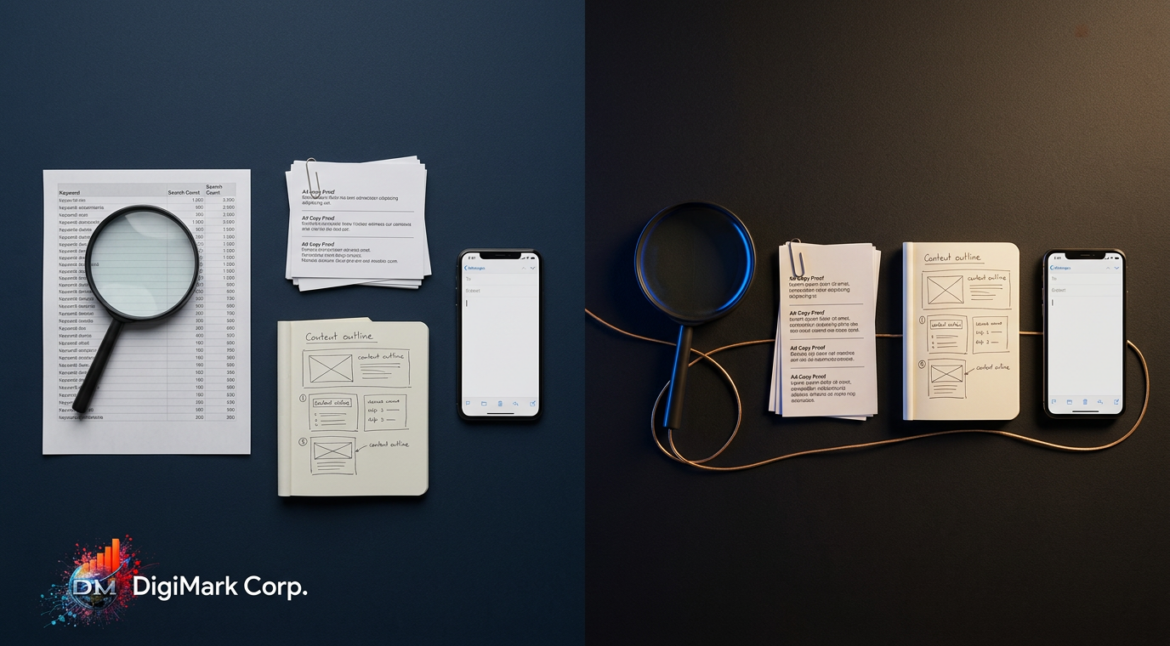
Most businesses think adding more channels will boost their quarter’s results. The truth is, your real advantage lies in fixing the handoff between SEO, ads, content, and email. When these channels work as one, your multi-channel marketing system moves leads faster and fuels stronger end-of-quarter momentum. Let’s walk through the overlooked handoff points that can still turn your Q3 growth plan around before time slips away. For more insights, check out this complete SMB playbook for 2025.
Improve The Channel Handoff
To secure a strong end-of-quarter position, you must optimize the transition between your marketing channels. Here’s how to streamline these vital connections.
Streamline SEO to Paid Media
A smooth transition from SEO to paid media can significantly enhance lead engagement. When potential customers find your site through organic search, their journey should continue seamlessly into paid ads that reinforce your message. Start by ensuring your SEO keywords align with your paid media strategy. Identify which terms drive the most organic traffic, then use those keywords in your PPC campaigns. This creates a consistent experience, making it more likely for users to convert. Regularly review the performance data to adjust keyword targeting and ad placement, ensuring maximum relevance and impact.
Content-to-Email Nurture Steps
The next step is to connect your content marketing efforts to your email campaigns. When visitors engage with your content, capture their interest by offering valuable insights related to their needs, then guide them into your email nurture sequence. For instance, if a visitor downloads a guide on improving sales, follow up with emails offering further tips or case studies. This keeps your brand top-of-mind and moves leads through the funnel more effectively. Personalize your emails based on the content consumed to build a relationship and increase engagement rates.
Tracking Lead Flow Effectively
Effective tracking is crucial for optimizing your marketing handoffs. Use UTM parameters and pixel tracking to monitor how leads move through your channels. This data helps you understand which marketing efforts are driving conversions and where the drop-offs occur. Implement a centralized dashboard to visualize this flow and make data-driven decisions. Regularly analyze## Improve The Channel Handoff
To boost your results, start by polishing the transitions between your marketing channels. It’s time to ensure every move your lead makes is smooth and intentional.
Streamline SEO to Paid Media
When a user finds you through search, it’s crucial to carry that momentum into your paid media efforts. Begin by targeting ads that reflect the keywords they’re interested in. Imagine someone searching for “affordable web design” and then seeing your ad offering a free consultation on the same. This creates a seamless transition that feels natural and relevant.
Your ads should always match the user’s search intent. If they’re looking for budget options, don’t show them premium services first. Instead, guide them with tailored messaging that meets their expectations. This isn’t just about getting clicks; it’s about ensuring those clicks lead to meaningful engagement. Learn more about making the most of your multi-channel efforts here.
Content-to-Email Nurture Steps
Once users engage with your content, it’s time to draw them into your email ecosystem. The transition from content to email should feel like an invitation rather than a hard sell. Start by offering valuable resources in exchange for their email address. This could be a detailed guide or exclusive tips that build on the content they just enjoyed.
Once they’re on your list, it’s essential to nurture them with a series of emails that expand on their interests. Tailor your emails to share insights, offers, or advanced content that aligns with their initial engagement. With each email, you’re building a deeper relationship, paving the path to conversion.
Tracking Lead Flow Effectively
To truly optimize your system, you must track every step your lead takes. Implement UTM tracking and pixel tags to monitor how each lead interacts with your channels. This level of tracking allows you to see which paths are most effective and where leads drop off.
With precise data at your fingertips, you can refine your strategy. Are leads not converting after viewing a certain page? Analyze and adjust. The goal is to create a frictionless experience, guiding leads naturally from one channel to the next.
Coordinate Multi-Channel Efforts
Your channels need to communicate as a unified front. This is where aligning your messaging, mapping search intent, and optimizing conversion paths come into play.
Align Messaging Across Platforms
Your messaging should resonate consistently across every channel. From social media posts to email campaigns, ensure the core message remains untouched. This consistency builds trust and familiarity with your audience. When they see the same message on different platforms, it reinforces your brand’s reliability.
It’s not just about saying the same thing everywhere. Tailor the tone and style to match the platform while keeping the core message intact. This alignment transforms your multi-channel marketing strategy into a cohesive force.
Map Search Intent to Actions
Understanding search intent is crucial for guiding users to meaningful actions. Start by identifying the questions your audience asks and then designing your content to answer them. When users receive exactly what they’re searching for, they’re more likely to act.
For example, if someone searches for “improving SEO rankings,” your content should guide them towards actionable steps they can take. This proactive approach moves them from curiosity to engagement, setting the stage for conversion.
Optimize Conversion Paths
Every click should bring a user closer to conversion. Your job is to ensure that every step in the journey is optimized for success. This means examining your landing pages, call-to-action buttons, and overall user experience.
Are your landing pages clear and compelling? Does your call-to-action inspire confidence? Test different elements to find what works best. By refining these paths, you’re not just improving conversion rates; you’re creating a satisfying journey for your users.
Drive End-of-Quarter Results
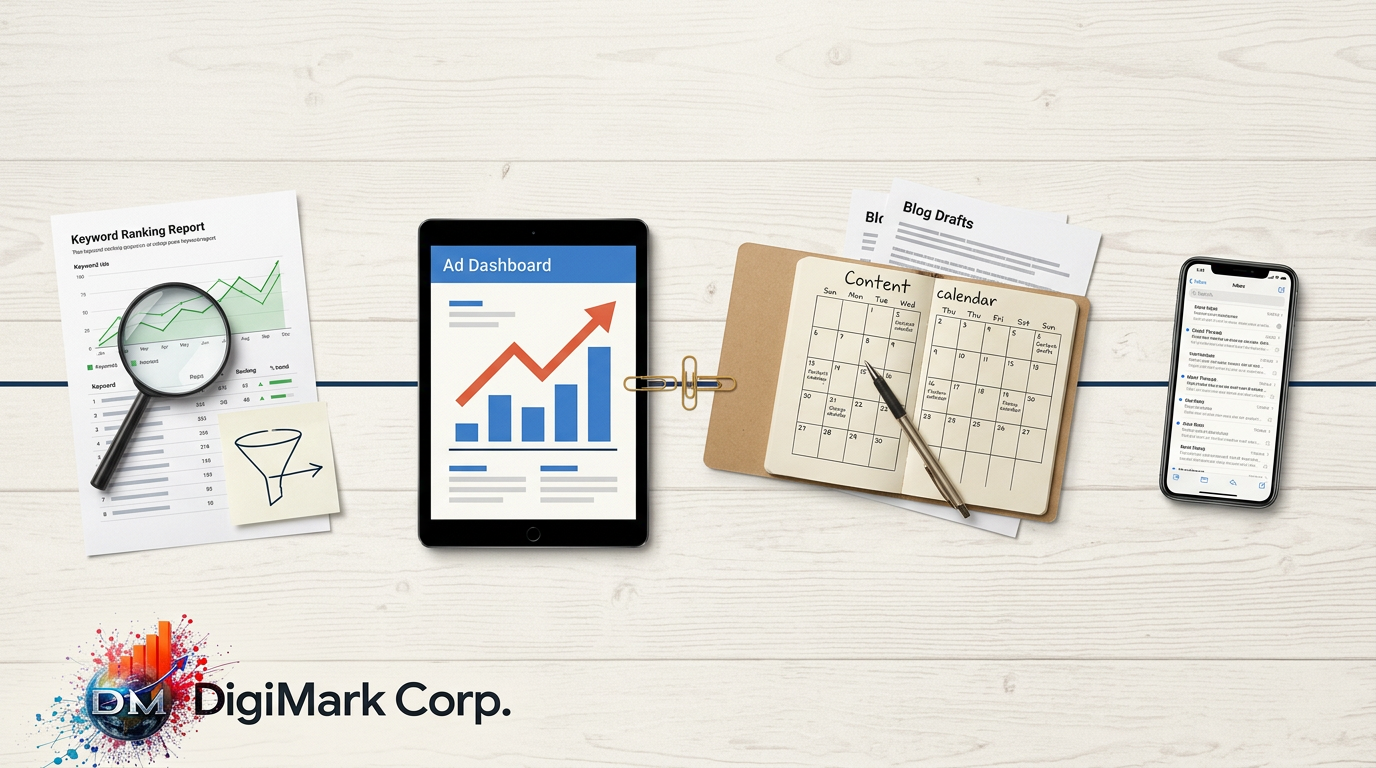
As the quarter’s end approaches, focus on strategies that maximize your impact. By honing in on growth plans, implementing dashboards, and offering audits, you can propel your business forward.
Focus on Q3 Growth Plan
In the final stretch of the quarter, it’s crucial to zero in on your growth plan. Identify the tactics that drive the most significant results and double down on them. This is not the time to experiment; it’s the time to execute proven strategies with precision.
Whether it’s ramping up your email campaigns or refining your SEO efforts, focus on what works. This laser focus ensures you capitalize on opportunities before the quarter closes.
Implement Real-Time Dashboards
Stay on top of your marketing performance with real-time dashboards. These tools offer a snapshot of your efforts, highlighting what works and what needs adjustment. With live data, you can make informed decisions that drive change quickly.
Dashboards eliminate guesswork. They provide instant insights into your campaigns, allowing you to pivot strategies in real-time. This agility is key to staying ahead of the competition.
Schedule a Free Handoff Audit
The longer you wait, the more opportunities slip past. Schedule a free handoff audit to identify gaps in your current system. This audit reveals where your channels disconnect and how you can tighten transitions for maximum impact.
Don’t let another quarter pass without harnessing your full potential. A streamlined handoff between channels is your secret weapon for growth.
Frequently Asked Questions
What is a multi-channel marketing system?
A multi-channel marketing system uses various channels like SEO, ads, content, and email to engage and convert customers. It ensures each channel complements the others, creating a seamless customer journey.
How can I optimize my lead flow?
Start by tracking each step in your lead’s journey using UTM codes and pixel tags. Analyze the data to identify drop-off points and refine your approach to create a smoother path to conversion.
Why is aligning messaging important?
Consistent messaging across platforms builds trust and ensures your audience receives a unified brand experience. It helps reinforce your brand’s credibility and encourages engagement.
How do real-time dashboards improve marketing efforts?
Real-time dashboards offer instant insights into your campaigns, allowing you to make quick, informed decisions. They help you identify what’s working and where you need to adjust your strategy.
What should I expect from a handoff audit?
A handoff audit analyzes the transitions between your marketing channels, identifying disconnects and areas for improvement. It provides actionable insights to enhance your overall marketing effectiveness.